
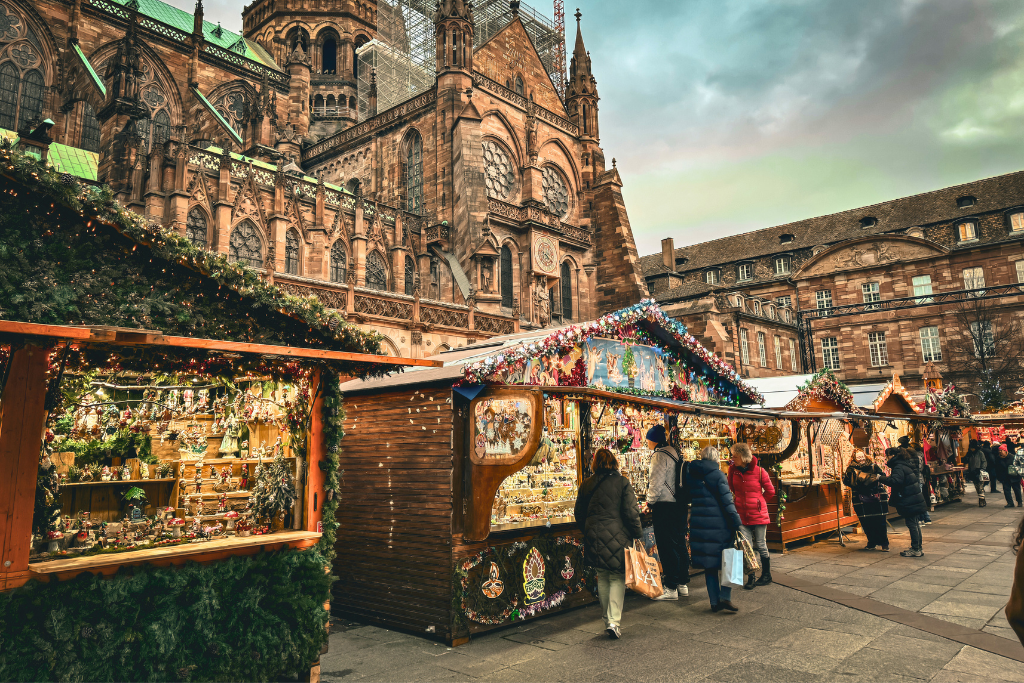
35 Must-Know Christmas Market Tips for Your First Time
Planning your first trip to Europe’s Christmas markets?
Well, before you start sipping glühwein under twinkling lights, there are a few Christmas Market Tips you need to know.
These festive markets are magical, but they come with quirks, crowds, and surprises that can trip up first-time visitors.
I’ve visited over 15 Christmas markets across six European countries, including iconic spots like Cologne, Brussels, and the Christmas capital—Strasbourg, France. And while I soaked up the sparkle and mulled wine magic, I also learned a few lessons the hard way.
From odd hours to navigating the stalls and weather, I learned quickly what works and what doesn’t when visiting Europe’s Christmas scene.
That’s why I created this guide packed with 35 must-know Christmas Market Tips—so you can skip the rookie mistakes and just enjoy the markets you’ve been dreaming of.



My Go To Resources for Planning a Christmas Market Trip
Best for Booking Flights: Expedia
Best for Booking Hotels: Hotels.com
Best for Booking Experiences: Viator
Best for Booking Train Tickets: Omnio
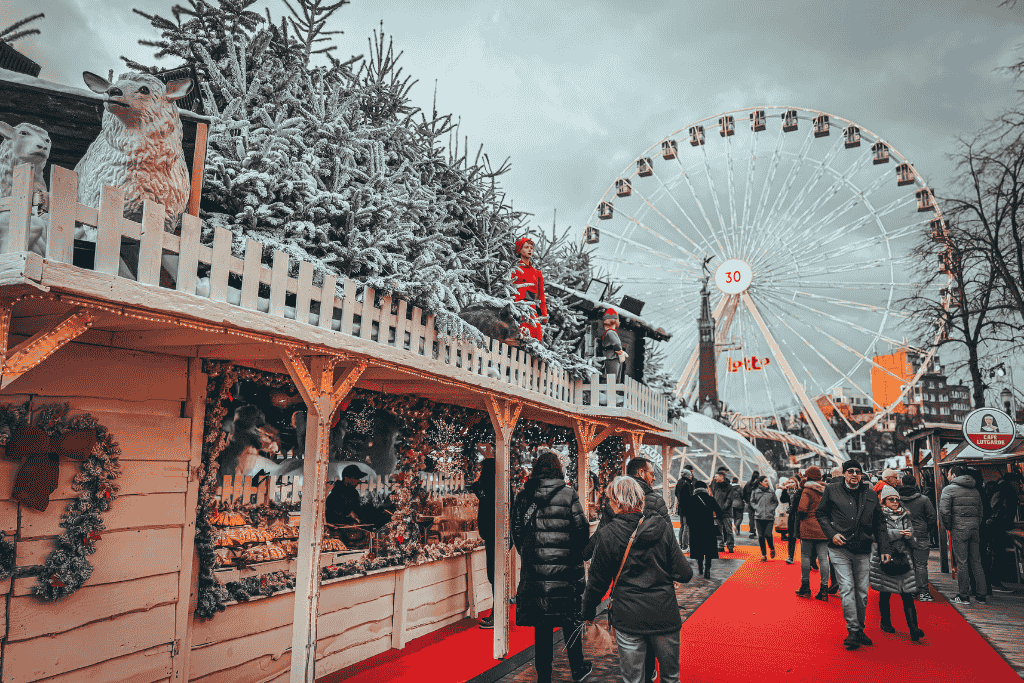
What the heck are Christmas Markets?
Crazy question, I know. But you’d be surprised how many people ask me what Christmas markets are and have never even heard of them! I’m flabbergasted!
If you’re new to the idea, don’t worry—you’re definitely not alone, and you’re about to fall in love.
Christmas markets are festive open-air markets held throughout Europe during the holiday season. But they’re more than just festive shopping—they’re a beloved tradition that’s been around for centuries.
In fact, Christmas markets date back to the late Middle Ages in German-speaking Europe, where they began as winter fairs offering seasonal goods and warmth in the colder months.
Today, they’ve grown into some of the most iconic holiday experiences across the continent.
Picture charming wooden stalls selling everything from trinkets to warm mulled wine, twinkling lights draped across centuries-old buildings, cobblestone streets, carolers in the background, and the smell of cinnamon and sugar in the air.
Most of these markets are held in the heart of old town squares, with each city adding its own flair. Some are big and bustling with ice rinks, Ferris wheels, and light shows, while others are small and cozy with local artisans and intimate village vibes.
No two are exactly alike, which is part of the magic!
Whether you’re there for the food, the atmosphere, or the photo ops (or all three!), European Christmas markets are an experience you’ll never forget.
👉 If you’re dreaming of visiting but not sure where to start, check out my full guide on how to plan your first Christmas market trip for everything you need to know—from picking the best time to go to sample itineraries for first-timers.
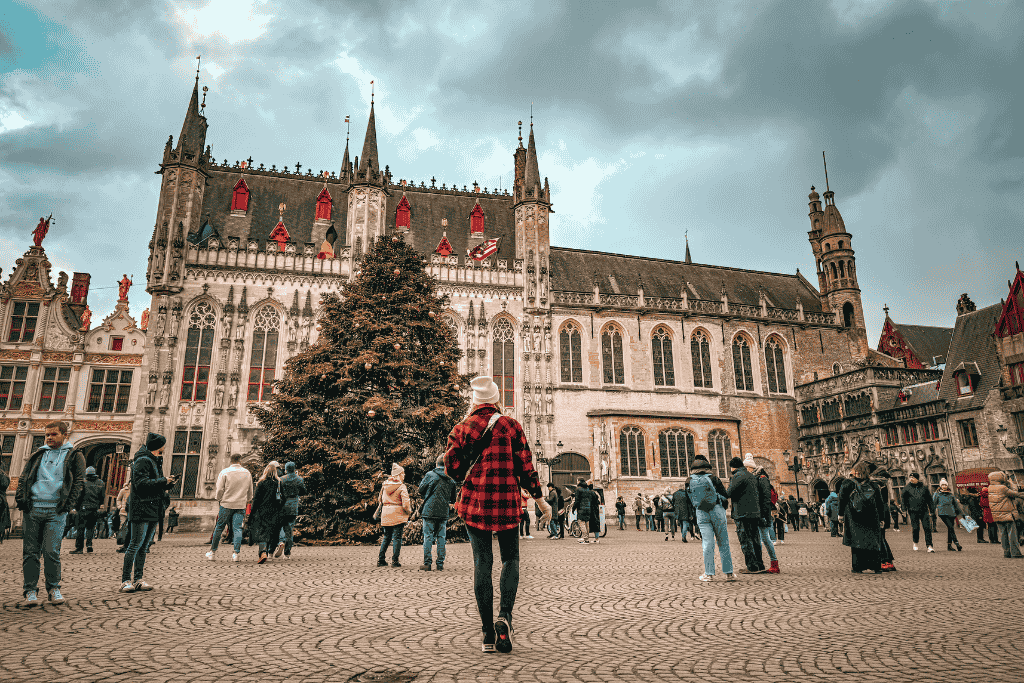
When are the Christmas Markets in Europe?
Every Christmas market in Europe has its own schedule, which can make planning a little tricky.
In general, most markets begin around late November, typically right before or just after American Thanksgiving (the last Thursday of November). Once December hits, things are in full swing—city centers light up, the mulled wine flows, and the holiday cheer is inescapable.
That said, don’t assume they’ll stay open through Christmas. In fact, most markets actually shut down on or before Christmas Eve, and very few stay open between Christmas and New Year’s.
Some of the smaller or more unique markets like those at castles or in quaint villages might only be open for a few days or just on weekends, especially during the four weekends of Advent.
Pro Tip: The best thing you can do is to look up the specific market’s official website for accurate and current dates. Just Google the city name + “Christmas market” and you’ll usually find the info right away. Trust me, this step can save you major disappointment! It’s a real bummer showing up to a market you had your heart set on that’s already packed up for the season!
35 Christmas Market Tips & Mistakes First Timers Should Know
Europe’s Christmas markets are magical but they can also be overwhelming if it’s your first time. These tips will help you avoid common mistakes and make the most of your trip.
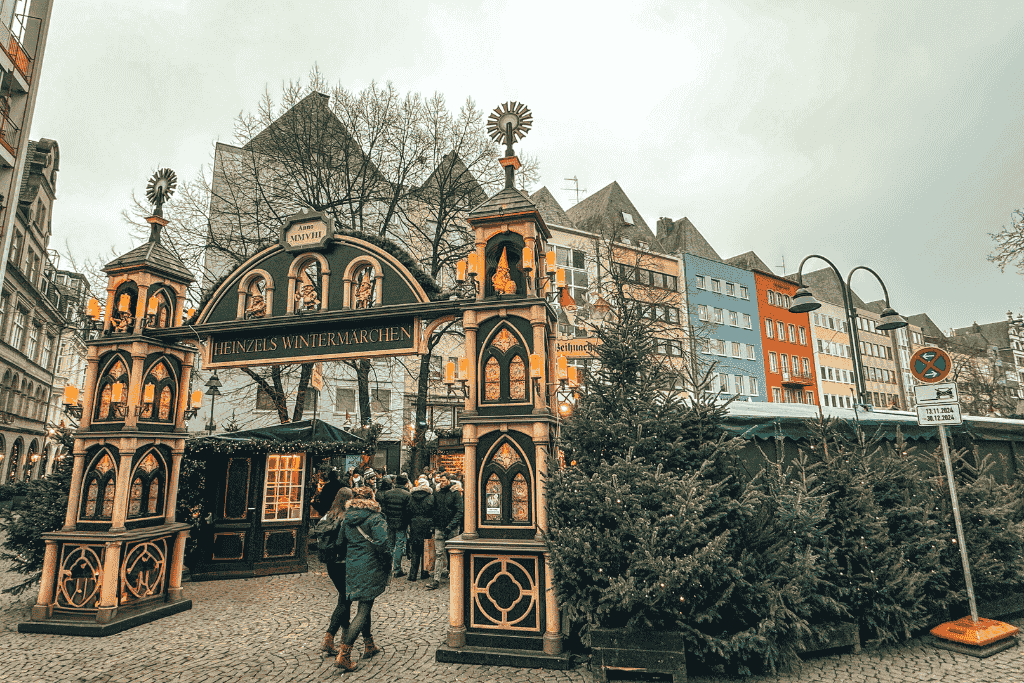
1. Check the Official Market Website
Again, I can’t stress this enough.. don’t rely solely on blogs or social media for opening dates and hours. Always double-check the official Christmas market website.
Every market has its own schedule, and things can change from year to year (or even week to week). Some markets close early, only run on weekends, or open later in the day than you’d expect.
A quick Google search like “Cologne Christmas Market” will usually lead you straight to the official site with the most up-to-date info.


2. Go Early & Go On a Weekday
If you want a more cozy, peaceful, market experience then you’ll definitely want to go to the market early and go on a weekday.
Most markets open around 10 or 11 AM, and if you arrive right when they start, you’ll avoid the shoulder-to-shoulder crowds. By late afternoon and evening the locals are off work and all congregate at the markets to drink and eat. Combine that with the tourists, the evenings and especially the weekends are just buzzing!
Early visits also give you the best photo ops, shortest lines, and easier access to popular food and drink stalls.
3. Not All Markets Are Open 7 Days a Week
Some Christmas markets—especially the smaller or more unique ones like Amsterdam’s—aren’t open every day. I actually had to rearrange my itinerary once because the market wasn’t running when I planned to visit.
Many of these only open on weekends during Advent, and some don’t even include Fridays. Others might just pop up for a single weekend during the season.
It’s easy to assume every market runs daily, but that’s not always the case. Always check the official schedule before locking in your travel dates—you don’t want to show up and find everything closed!


4. Don’t Make It All About the Markets
Christmas markets are magical—but if that’s all you do, it’s easy to get burned out.
One thing that really surprised me on my first market trip was how much downtime I had during the day. You won’t spend every hour at the markets, and you’ll definitely want other things to see and do in between.
I like to visit the markets early in the morning when it’s quiet for shopping, then plan tours, museum visits, or city walks during the day. In the evening, I head back once it’s dark to soak up the lights, music, and all the cozy holiday vibes.
Pro Tip: Choose a destination that you’re excited to explore outside of the markets. Think of the markets as a festive bonus—not the whole trip!
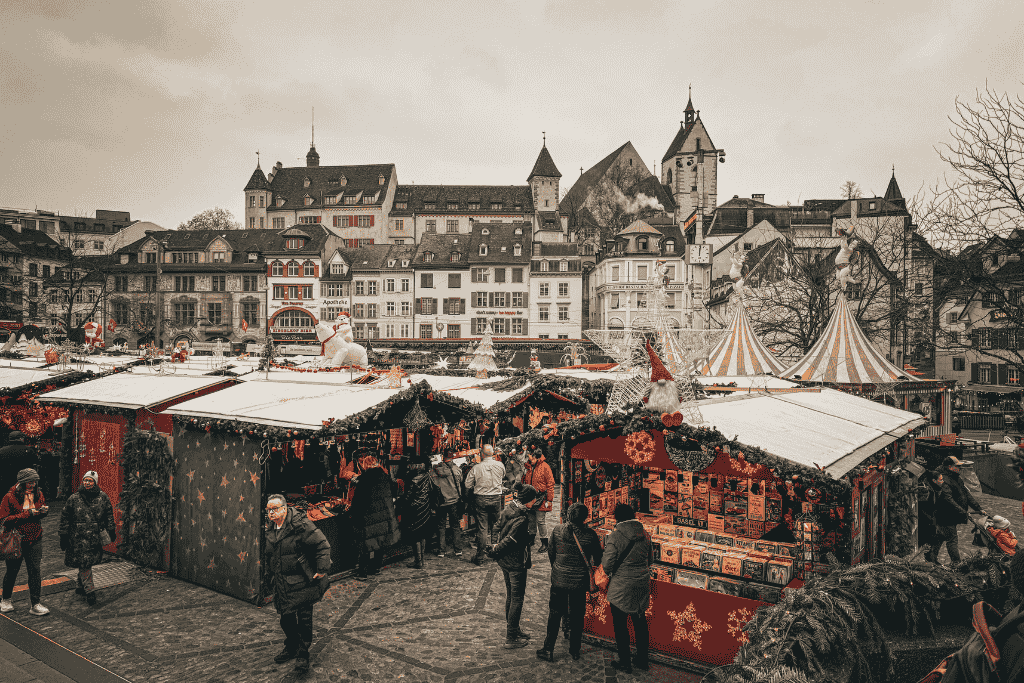
5. Stay in a Central Location
If you want to make the most of your time, book a hotel in the heart of the action. Ideally within walking distance of the main markets.
Not only is it more convenient for dropping off souvenirs at the hotel or adding another layer mid day, but you’ll save a lot of time and energy exploring.
Also, if you’re planning to visit multiple markets in different cities or even countries, choose a central hub with great train connections.
For example, I found Brussels to be the perfect home base for day trips to other markets in Belgium, Netherlands, and Germany.
6. Book Your Hotel Early—Like, Really Early!
Christmas market season is one of the busiest travel times in Europe, and the best hotels fill up super fast, especially in popular cities.
To get the best locations and prices, book your accommodations as early as possible, ideally by spring or early summer.
At the very latest, aim for August.
If you wait too long to book, you’ll either end up paying way more for a hotel or stuck staying far from the markets—if you can even find a room at all.
7. Use Public Transportation
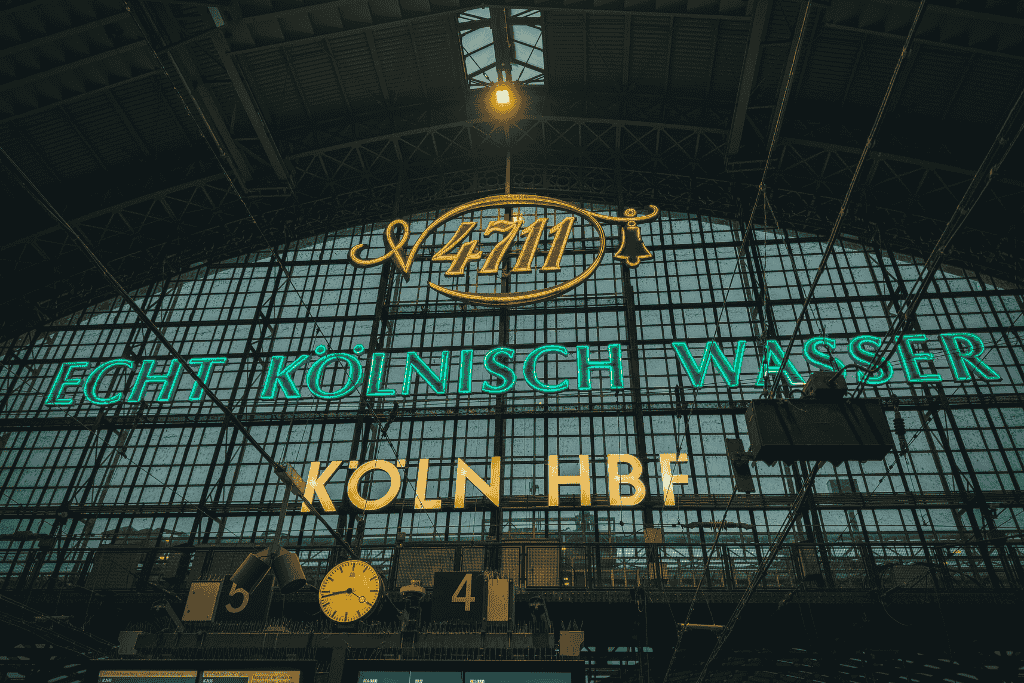
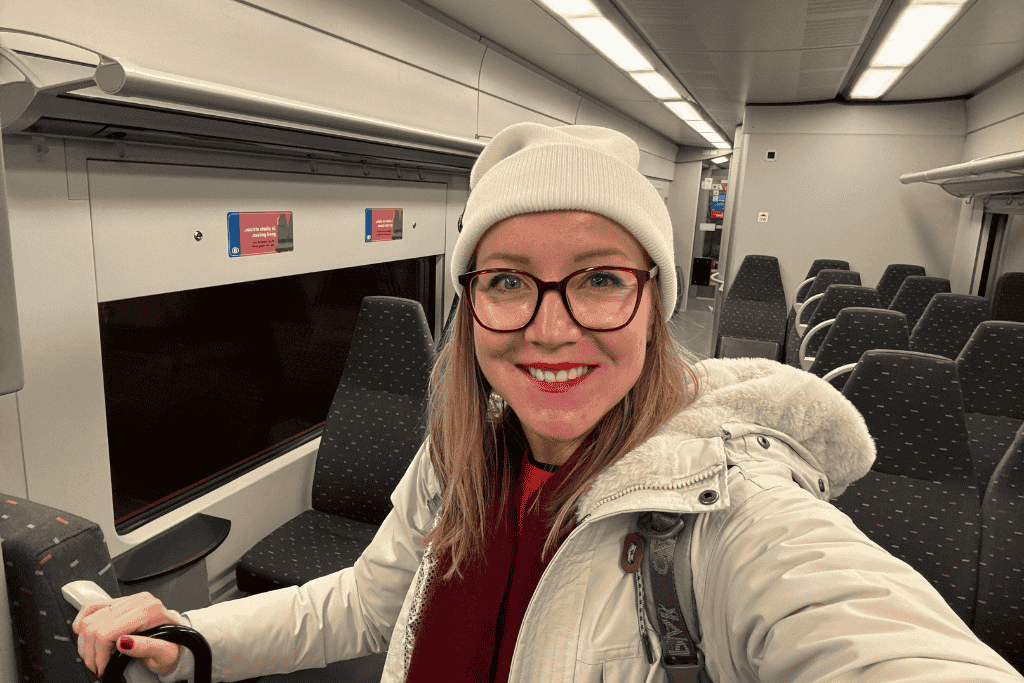
If trains or public transit in Europe feel a little scary—don’t worry. It’s actually really easy and one of the best ways to get around, especially if you’re visiting more than one Christmas market.
Most cities have great systems with trams, buses, and trains that take you right to the markets. Some even offer special holiday passes for unlimited rides. In Cologne, there’s a little Christmas train that connects all the markets in the city—so fun!
If you’re visiting just one or two places, I like using Omio to book tickets. It’s quick, easy, and in English.
But if you’re hitting a bunch of cities or countries, check out the Eurail Pass. I’ve used it myself multiple times, and while sometimes I just broke even on cost, the flexibility and convenience made it so worth it. No need to find ticket kiosks or try to figure out how they work—just hop on and go.
Pro tip: Also, check with your hotel when you check in—many offer free local transport passes you can use during your stay!
Public transportation really is the easiest way to enjoy the markets without the stress of driving, parking, or getting lost.
8. You’ll Be Walking—A Lot
Be prepared to walk more than you think while exploring the Christmas markets.
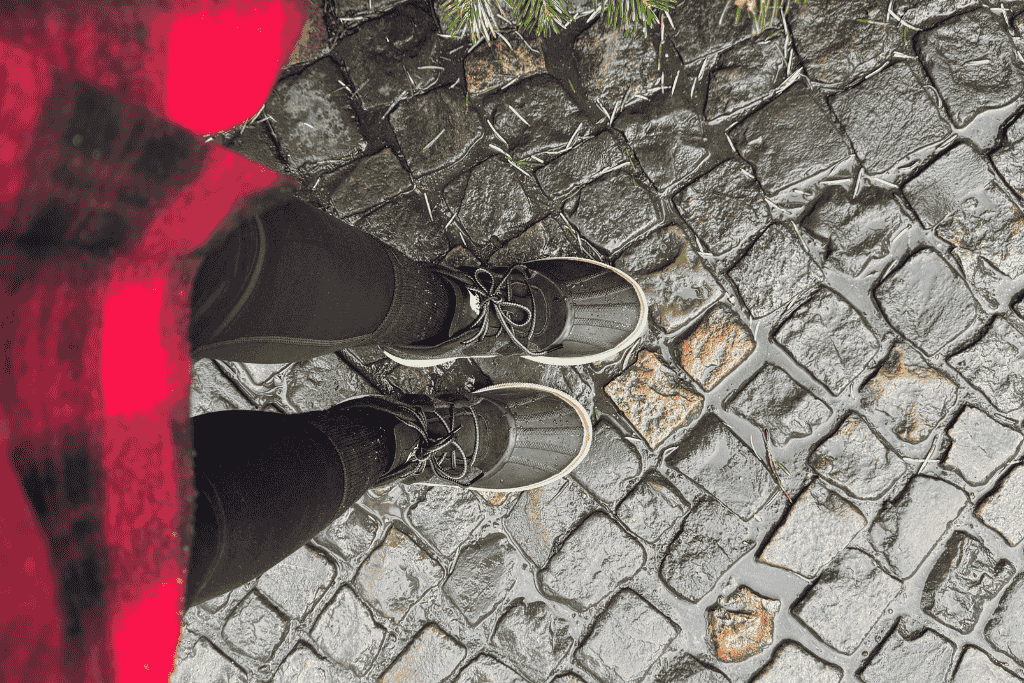
Between wandering the stalls, hopping between different markets, climbing towers, and navigating cobblestone streets, you’ll easily hit your step count (and then some).
A good pair of warm, waterproof boots that are comfortable to wear all day is a must. I wore my cute Sorel ankle boots every single day—super comfortable, no cold or wet feet, and they looked great with all my festive outfits. Comfort and style can totally coexist!
9. Nowhere to Sit
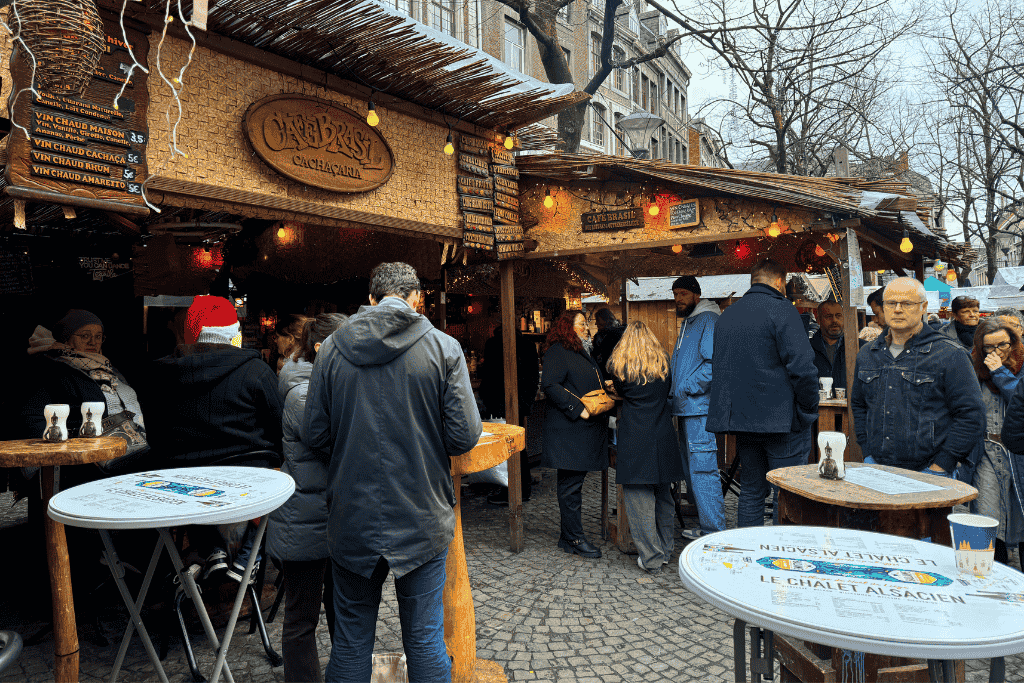
One thing to know ahead of time is there’s usually nowhere to sit at Christmas markets.
Most food areas just have standing tables or high tops, and seating is rare, especially during busy hours. If you’re planning to enjoy a full meal or need a rest, it’s best to step away from the market or find a nearby café or restaurant. Otherwise, be ready to eat, drink, and chat on your feet.
10. Pack Light and Stay Nimble
If you’re visiting multiple cities or hopping on and off trains, packing light is going to be a very wise choice. Markets can be crowded, streets are often cobblestoned, few accommodations have elevators, and lugging heavy bags through sometimes packed train stations is no fun.
Trust me, less is more when you’re on the move.
11. Expect Rain, Not Snow
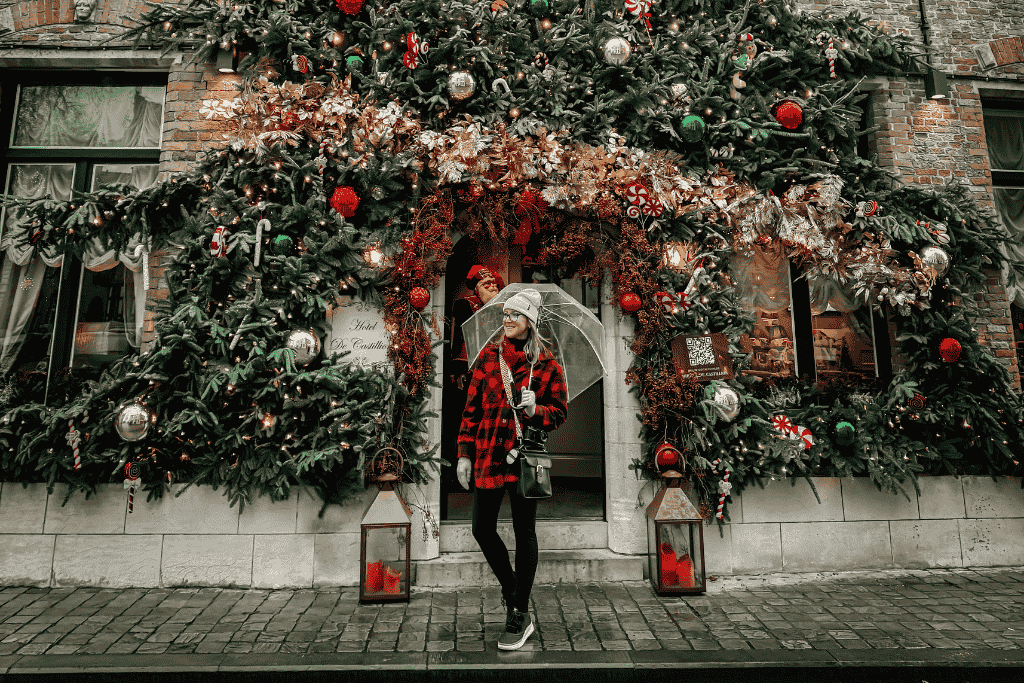
It’s easy to picture a snowy Christmas wonderland, but December in Europe often means rain—not snow.
I ran into wet weather more often than not, and I was so glad I packed a waterproof winter coat for my Christmas market tour. Staying warm is one thing, but staying dry makes all the difference when you’re outside all day.
An umbrella helps too (which I just bought there and didn’t pack), but a good coat is a lifesaver.
12. Wear Warm Layers
I know I just told you to pack light, but hear me out—you’ll still need warm layers.
The key is to pack lightweight but really warm pieces that can be layered easily and comfortably. My two favorite materials that fit this description are merino wool and cashmere.
If there is only one piece of advice you take from me, make it that you pack a merino wool base layer set with you. These will really help you keep warm under your festive outfits and the best part is you can wear them everyday and not smell.
Also cashmere sweaters and turtlenecks are perfect because they are lightweight for packing but really warm!
Pro Tip: I get all my winter cashmere secondhand from ThredUp, so it’s way more affordable!
13. Bring rechargeable hand warmers!
Between taking your gloves off to snap photos, holding mugs, and eating your hands will definitely freeze.
I brought rechargeable hand warmers with me and was honestly so thankful I did. They kept the chill away and were easy to recharge at night in the hotel. Definitely worth packing if cold hands are a struggle for you too.
14. Soak Up The Heat Where You Can
When the cold starts creeping in, keep an eye out for heated areas within the markets.
Many have fire pits, heaters, or covered tents where you can warm up for a few minutes. You’ll be thankful for the break and reset from the cold before heading back out for more exploring. A hot drink helps, too!


15. Visit The Markets in The Day and at Night
If you can, visit the markets both during the day and at night. They offer completely different experiences.
In the morning, you’ll enjoy fewer crowds and have space to shop and explore.
But at night, is where the real magic happens. Everything is covered in twinkling lights, music fills the air, and the atmosphere becomes pure holiday magic. Seeing both sides of the market vibe makes the whole experience feel even more special.
16. There are Usually Several Markets Throughout The Town or City.
Most cities have one large main market, usually in the central square, but don’t miss the smaller satellite markets tucked throughout town.
These often have their own unique themes or local vendors and are much less crowded.
When you check into your hotel, ask for a Christmas market walking map—many cities hand them out during the season. It’s the best way to make sure you don’t miss any hidden gems.


17. Don’t Skip The Smaller Markets
Some of the best Christmas market experiences are in the smaller, lesser-known towns and villages. They tend to feel more intimate and authentic, with local artisans, unique foods, and handmade souvenirs you won’t find at the big-name markets.
These little gems often end up being my favorite markets of the whole trip.
18. Not All Markets Are Free
Most markets are free to enter, but a few, especially the ones held in castles or private venues may charge admission.
It’s usually a small fee, but it’s good to know ahead of time.
If you’re planning to visit a specialty market, check the website to confirm if a ticket is required.
19. Bring Some Cash
Not all stalls at the markets accept cards, especially the smaller, local vendors or markets off the beaten path.
It’s always a good idea to carry a bit of cash for things like snacks, handmade gifts, or small purchases where cards aren’t an option.
The bigger cities are usually pretty card-friendly, though.
20. Carry a Few Coins Too
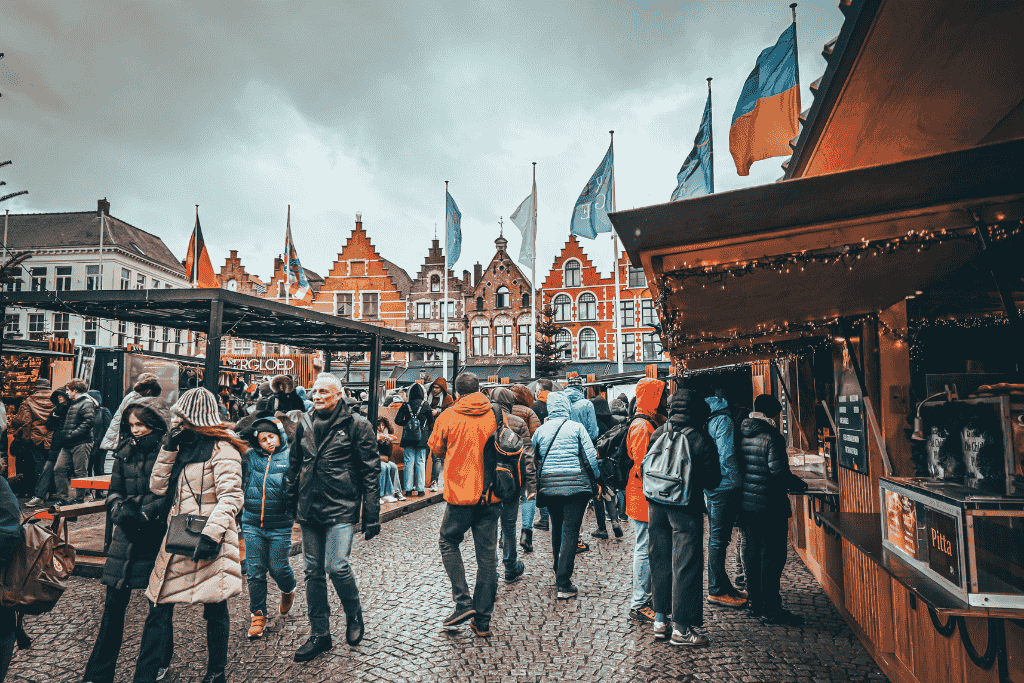
Along with cash, make sure you have a few coins in your pocket. You’ll need them for the public restrooms. Most aren’t free and usually cost around €0.50 to €1.
Some restrooms have attendants or turnstiles, and card payment isn’t an option.
It’s one of those little things that’s easy to forget but really inconvenient if you’re caught unprepared.
21. Get cash from an ATM or bank
When it comes to getting local currency, avoid the airport exchange booths and currency kiosks—they usually offer the worst rates.
Instead, use an ATM attached to a bank or go to the local bank itself once you arrive in the city. It’s safer and you’ll get the best exchange rate. Just make sure your bank card is set up for international use before you go.
22. Get a Local eSIM Card
In this day and age, we don’t know how to function without our phones, so having reliable phone service is a non-negotiable. Especially when you’ll need it for navigating the train systems, using Google Maps, or translating signs and menus.
A local eSIM is one of the easiest and most cost-effective ways to stay connected while avoiding pricey international roaming.
I highly recommend you download one before you go so you’re ready to run as soon as you land. And if you are wondering where to get an eSIM, I only use Airalo. They were the first eSIM and are the best!


23. Come Hungry
The food at Christmas markets is half the experience (if not the best), so arrive with an appetite!
I recommend sharing dishes with a friend so you can try even more without filling up too fast.
Also, do a walk-through of the stalls first before grabbing your first bite. You don’t want to commit early and then spot something even better a few booths down. From cheesy raclette to sizzling sausages and sweet pastries, trust me, you’ll want room for it all.
24. You Can Keep The Mugs But They Cost Xtra
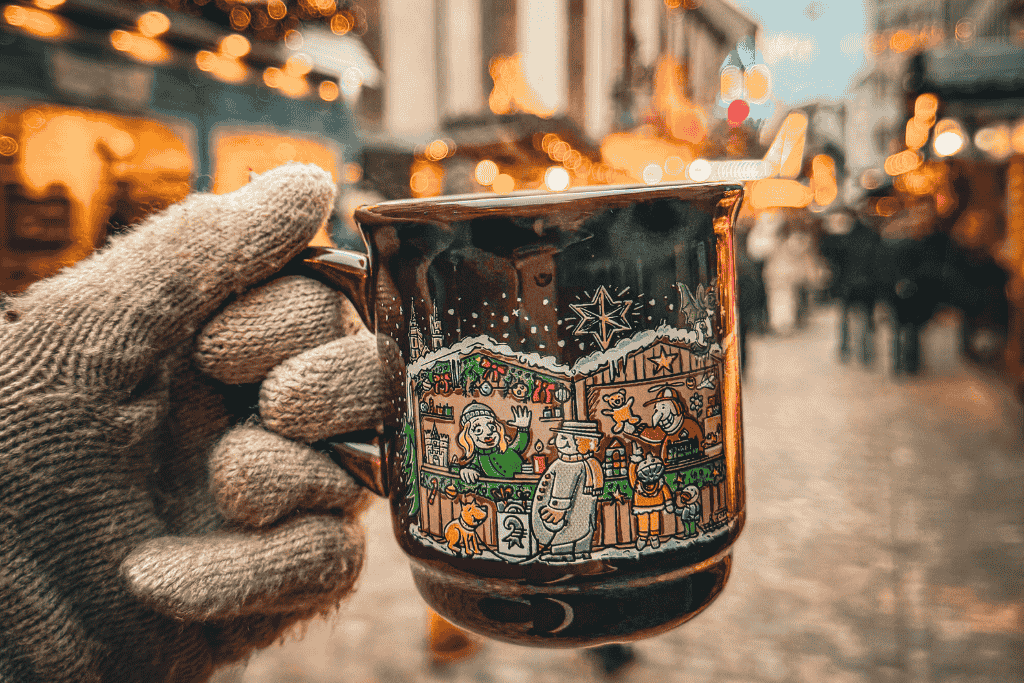
When you order a drink at the markets, you’ll pay a small deposit for the mug—usually around €3 to €5.
If you return it, you get your deposit back. But if you hang onto it, you just bought a festive souvenir! It’s a fun way to collect memories, but be aware: the cost adds up if you keep one from every market.
25. Pack Wet Wipes
Wet wipes might not be glamorous, but they’re absolute lifesavers at Christmas markets.
Use them to wipe sticky mulled wine residue off your souvenir mug before tossing it in your bag, or clean your hands after devouring bratwurst and gooey desserts. Trust me, after a few stalls, your fingers (and phone) will thank you.
26. A collapsible Travel Mug is a Great Idea
Bring a collapsible travel mug with a lid to pour your mulled wine into.
It keeps your drink warm longer and helps prevent spills. The markets get super crowded and people bump into you constantly and carrying an open mug full of red wine could be a disaster.
I saw a couple do this at a market and thought it was genius. I really wished I’d had one, and I’ll definitely be doing this next Christmas market season!


27. More Than One Mug Design
Since we’re on the topic of mugs, here’s something to know—some markets have more than one limited-edition design.
They might offer different styles or colors depending on the stall or drink type.
If you’re planning to collect mugs during your trip, it’s a good idea to walk the market first and see all your options before deciding which one to keep.
I made the mistake of keeping a mug early in the day, then later spotted another design I liked even more—and ended up with both because I never got the chance to return the first.
28. Mugs Are Getting Harder to Find
Just a heads up—some markets have started handing out reusable plastic cups instead of the classic ceramic mugs. It’s part of a wider sustainability push, but if you’re someone who loves collecting the traditional mugs (like I do), this can be a bit of a letdown.
Not every market is doing this yet, but it’s definitely becoming more common, so don’t be surprised if you’re handed a cup instead of a keepsake.
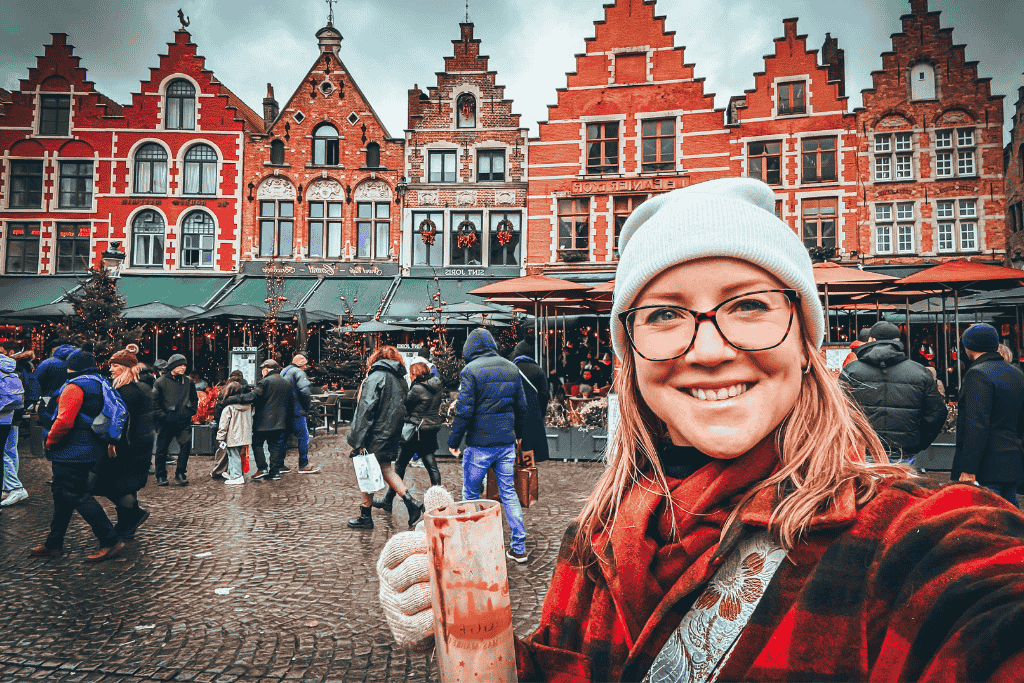
29. Not a Glühwein Fan? No Problem
If you don’t like glühwein, or just don’t drink alcohol, you’ve still got plenty of options.
Most markets offer other warm drinks like hot mulled white wine or even mulled beer. You’ll also find hot chocolate (with or without Baileys), eierpunsch (a creamy eggnog-style drink), Hot fruit punch, and coffee.
I’ll admit, I love glühwein, but after hitting several markets in a row, even I got glühweined out. I started mixing it up with all the other yummy warm drinks.
30. Bring a Reusable Water Bottle
It’s surprisingly hard to find bottled water at Christmas markets. I searched stall after stall and found every type of drink imaginable—except water. You’ll see plenty of mulled wine, beer, and hot punch, but hydration is an afterthought.
I recommend packing a refillable water bottle and filling up whenever you find a fountain or ask at your hotel before heading out for the day.
31. Plan Ahead for Souvenirs
Souvenir shopping is fun until it’s time to fit it all in your luggage.
If you know you’ll be picking up mugs, ornaments, or gifts, make a plan for how you’re going to get it all back home. I like to leave a little space in my suitcase or pack a foldable backpack for overflow.
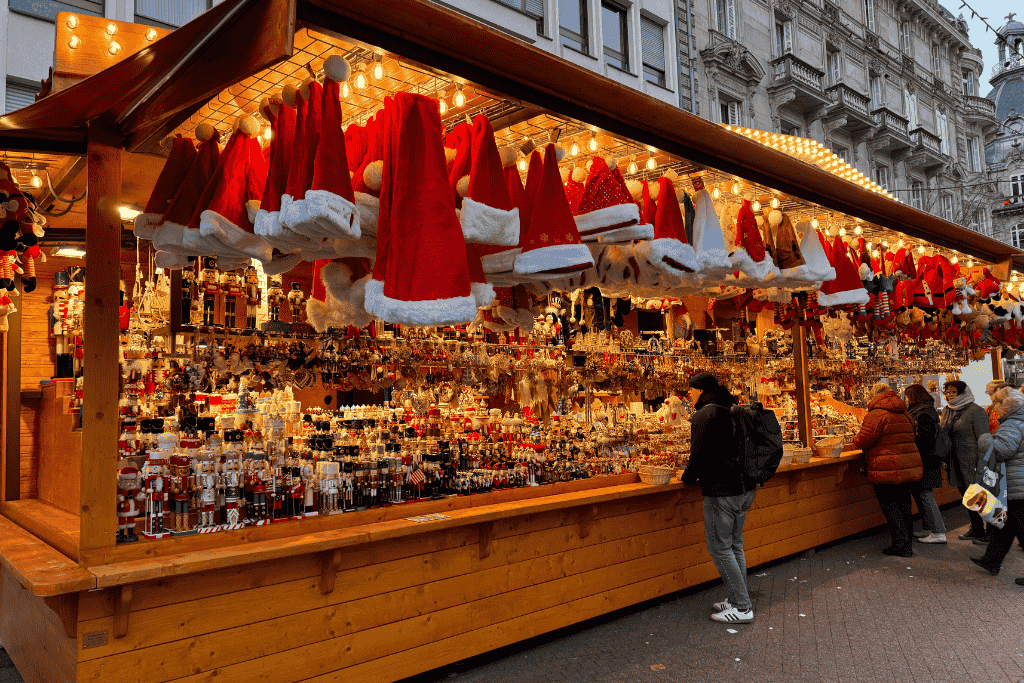
32. Authentic Souvenirs Are Hard to Find
It can be surprisingly hard to find authentic, handmade souvenirs at Christmas markets.
A lot of stalls sell mass-produced items that look festive but aren’t locally made.
That said, the truly authentic booths are out there. You just have to look a little harder for them. They’re usually tucked away in the smaller markets but are well worth the search.
33. Bring a Bag That Can Hold It All
You’ll definitely want to carry a day backpack or a roomy crossbody bag while touring the markets. Between souvenir mugs, gifts, leftover snacks, and extra layers, your hands will fill up fast.
A sturdy bag gives you a place to stash everything without juggling items all day. Just make sure it zips closed! You’ll be in crowds where sticky fingers do exist, so it’s always better to be cautious.


34. Photography Tip For The Best Night Photos
To get the best photos of all those twinkling market lights at night, tweak your iPhone settings before snapping.
Use 2080p at 25fps or 4K at 25fps for photos and video to reduce glare and motion blur. Or hold your phone steady and use Night Mode if available. It makes a huge difference when you’re trying to capture that perfect festive glow.


35. Get a Bird’s Eye View
For a truly magical moment, find a way to see the markets from above.
Climb a church steeple or bell tower, ride a Ferris wheel, or book a rooftop bar nearby. Seeing the twinkling lights from above is unforgettable and makes for some of the best photos of your trip.
What to Wear to The Christmas Markets in Europe
Staying warm and comfortable is key when you’re spending hours outside at Christmas markets—but you can still be festive and cute while doing it.


After visiting markets in all kinds of weather, these are my go-to essentials from head to toe that keep me cozy, dry, and stylish all day long:
- Warm Hat – A wool or fleece-lined beanie to trap heat.
- Cashmere Scarf – Lightweight, warm, and easy to pack.
- Touch Screen Wool Gloves – So you can snap photos without freezing your fingers.
- Merino Wool Base Layers – The best lightweight warmth, especially for layering.
- Thin but Warm Sweaters/Tops – Think cashmere or fleece—easy to layer, not bulky.
- Waterproof Winter Coat – A must. Bonus if it has a hood.
- Fleece Lined Leggings and Tights – Layer under skirts, dresses, or even jeans.
- Wool Socks – Keep your feet toasty in boots, even on the coldest days.
- Waterproof but Comfortable Boots – I swear by my Sorels—they’re warm, stylish, and great for walking.
- Backpack or Tote Bag – For storing mugs, souvenirs, snacks, and those extra layers.
Plan Your Perfect Christmas Market Trip
The Complete Guide to Christmas Markets in Brussels (2025)
7 Best Day Trips From Brussels You’ll Absolutely Love
Complete Guide to Bruges Christmas Market (2025)
Is Strasbourg Worth Visiting? What You Need to Know
Colmar or Strasbourg for Christmas? Here’s How to Choose
One Day in Strasbourg: A Perfect Winter Itinerary
That’s a Wrap
I hope these Christmas Market Tips help you feel fully prepared for your European holiday adventure! With a little planning and the right gear, you’re in for one of the most magical experiences of the season.
Don’t forget to grab your FREE Christmas Market Planning Guide—it’s packed with checklists, a packing list & even more tips. It’s got everything you need to plan your trip super easily!