

How to Plan a Christmas Market Trip: First-Timer’s Guide + Example Itineraries
Wondering how to plan a Christmas market trip to Europe, but not sure where to begin? You’re not alone—and don’t worry, I’ve got you covered.
Between figuring out when to go, which markets are worth visiting, and how to get from one to the next, planning your first market-hopping trip can feel overwhelming fast. But that’s exactly why I’m here—to help you cut through the chaos and map out a magical, stress-free trip.
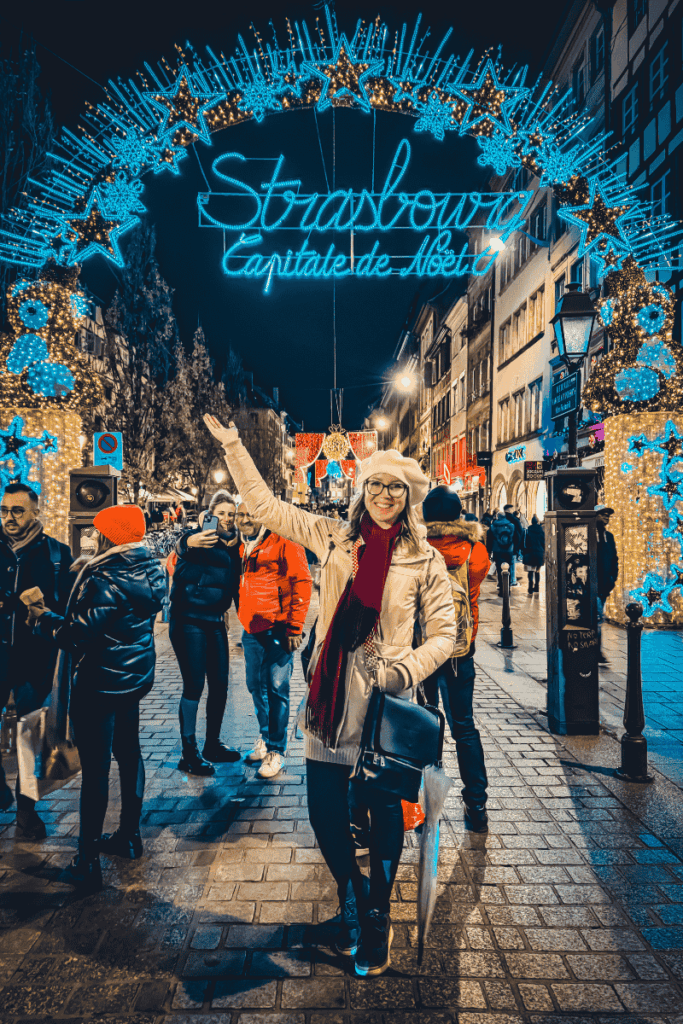
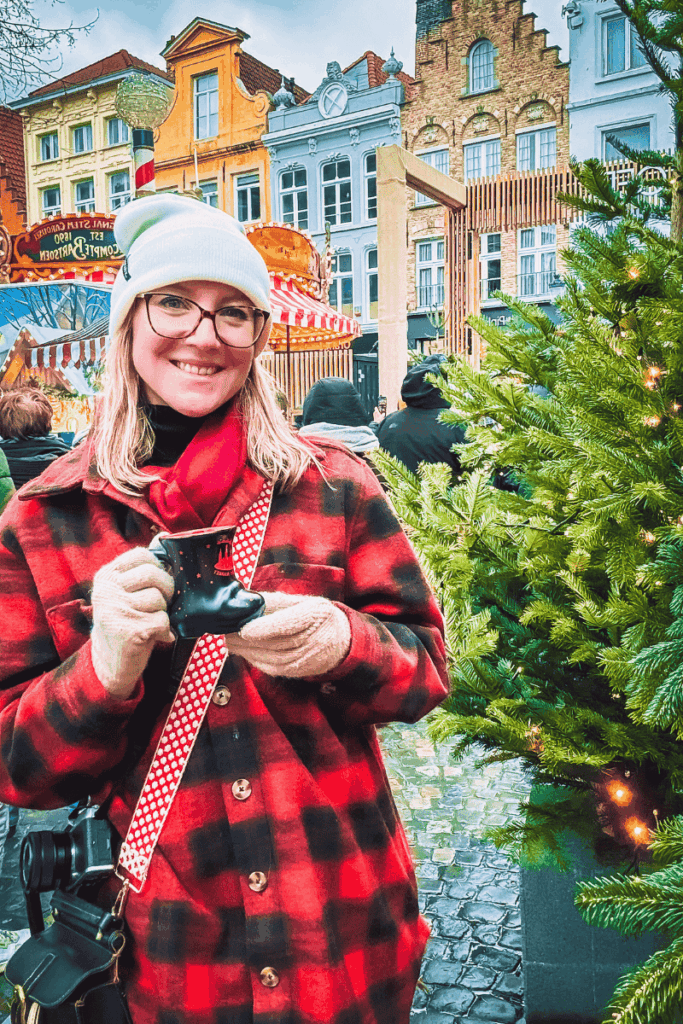
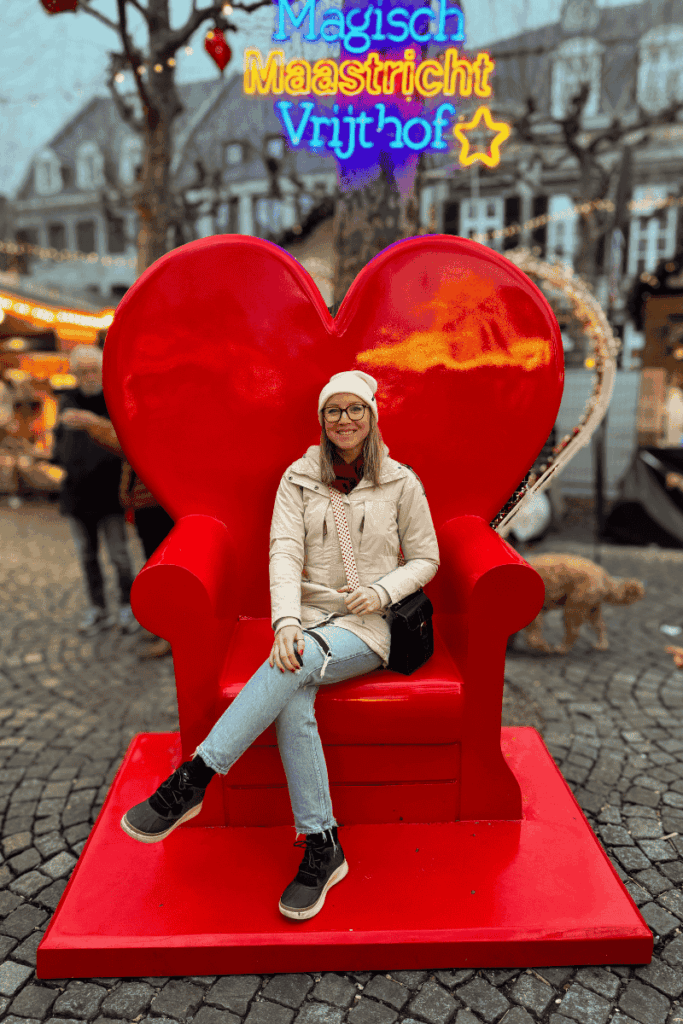
I’ve visited over 15 Christmas markets across six European countries (including some hidden gems you won’t find on most guides). It’s become one of my favorite holiday traditions—and along the way, I’ve learned exactly what to do, what not to do, and what I wish I’d known from the start.
In this post, I’ll walk you through how to plan your perfect European Christmas market adventure, step-by-step. And I’ll even give you two example itineraries that are perfect for your first trip.
So whether you’re just daydreaming right now or have already booked flights, this guide is your go-to starting point for planning the festive European getaway of your dreams.

My Go-To Resources For Planning a Christmas Market Trip
Best for Booking Flights: Expedia
Best for Booking Hotels: Hotels.com
Best for Booking Experiences: Viator
Best for Booking Train Tickets: Omio

When is The Best Time to Visit The Christmas Markets in Europe
Christmas markets in Europe usually start popping up around mid-November, but those early dates are hit or miss.
The real Christmas magic doesn’t really start until the first of December, and by Christmas Eve, most markets are already packing up.
Can You Visit on Christmas Day?
If you’re planning to be in Europe on Christmas Day, keep in mind that most Christmas markets will be closed.
A lot of people don’t realize this and end up really disappointed. It’ll be a total bummer to show up all excited for Christmas Day magic and find everything shut down. Try to plan your market visits for the days before Christmas instead.
When Are The Markets Least Busy?
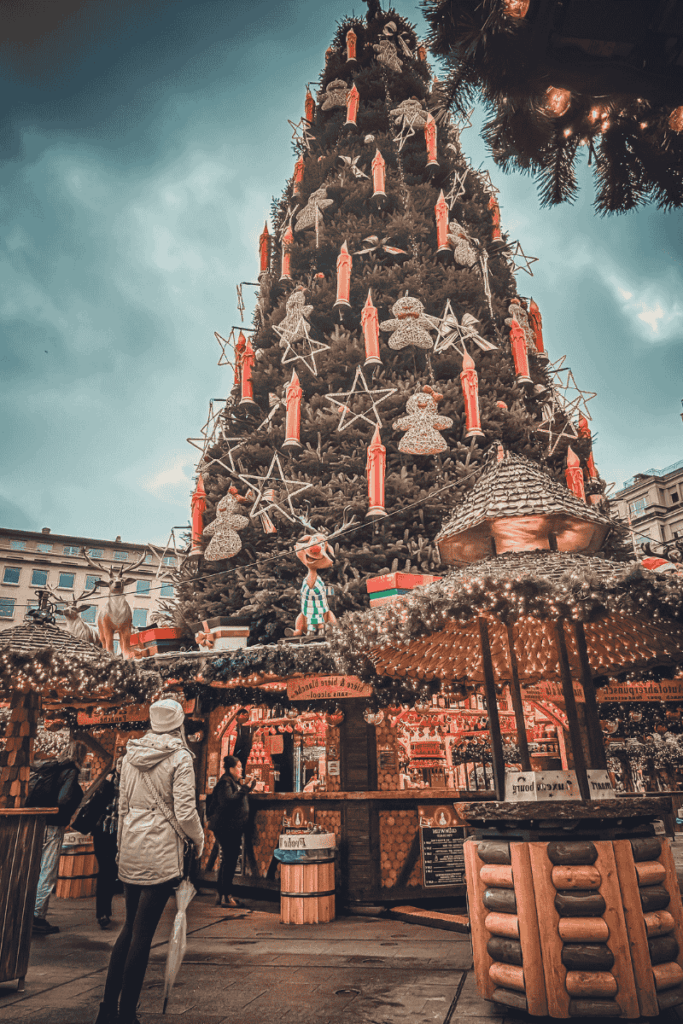
The busiest weeks are the ones leading up to Christmas, especially mid to late December. Popular markets, like Strasbourg, Brussels, and Cologne, attract millions of visitors! And that means higher prices, limited hotel options, and shoulder-to-shoulder crowds.
I highly recommend going earlier in the season if you can. Personally, I love the first and second week of December! Everything’s up and running, but it’s just a little calmer and easier to enjoy.
Also, try to visit the markets mid-week and in the morning for a more peaceful visit before the crowds arrive, then you can return in the evening to catch all the lights and festive buzz.
Avoid the afternoons (when locals drop by after work) and weekends if you really want to avoid the crowds—those are definitely the most crowded times.
When Should You Start Planning?
The earlier, the better!
You’d be surprised how many travelers start planning next year’s Christmas market trip right after the holidays end.
Once you have your travel dates, book your accommodations as soon as possible—especially if you want to stay near the markets. The best spots go fast, and prices only climb as December gets closer.
I always look for places with free cancellation, just in case my plans shift or I find a better deal later on.
Pro Tip: Speaking of shifting plans…don’t skip travel insurance. Between winter weather delays, crowded airports, and the general holiday chaos, things can (and do) go wrong. Having good coverage can save you a ton of stress—and money—if something unexpected happens.
How Much Time Do You Need?
If you really want to soak in the Christmas magic without rushing, I recommend planning at least one full week for your trip. That gives you enough time to visit a few of the best markets across different cities and truly enjoy the experience.
Of course, the more time you have, the better—but even a shorter trip can be amazing with the right plan.
Pro Tip: I like to base myself in two different cities for about three days each, then take easy day trips from there. It’s a great way to see more without constantly packing, hauling luggage, or waiting for hotel check-in. You’ll save tons of time and energy, and get to enjoy the markets without feeling like you’re always on the move.

Which Christmas Markets Are a Must For Your First Trip?
It’s super tempting to try and squeeze in as many Christmas markets as possible—especially if you’re traveling a long way or want this to be a once-in-a-lifetime kind of trip. But trust me, trying to hit too many in one go can backfire. You’ll end up spending more time in transit than actually enjoying the markets, and what should feel magical can quickly start to feel like a checklist or a chore.
For your first trip, I recommend focusing on the border region between France and Germany—it’s packed with charm and some of my absolute favorite markets.
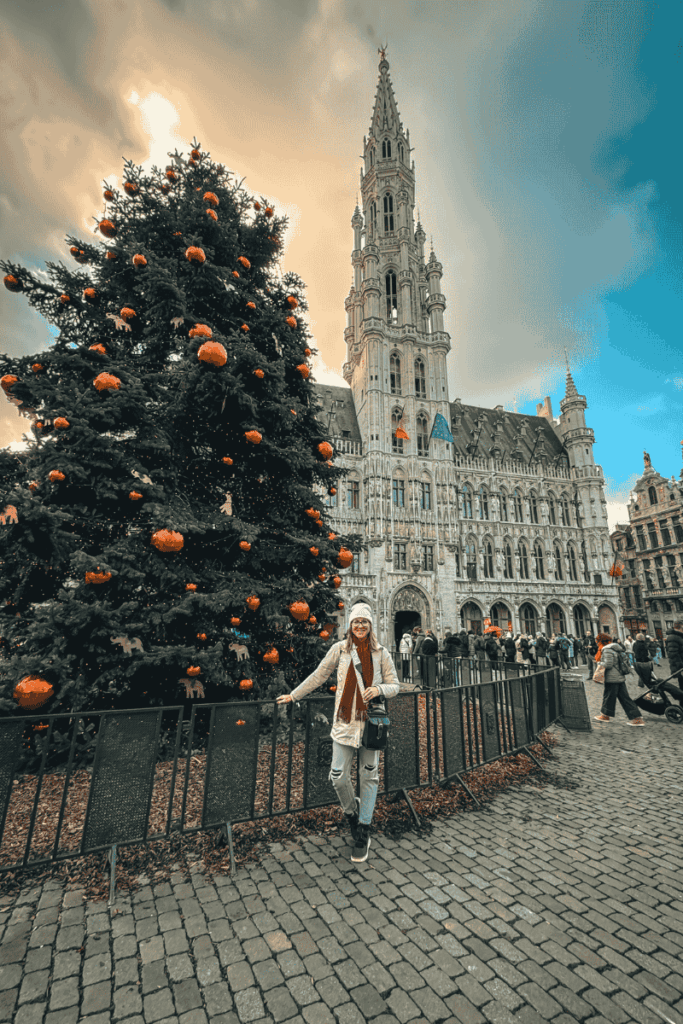
Towns like Cologne, Strasbourg, Brussels, and Basel go all out for the season. The decorations, food, and storybook villages are everything you could want in a Christmas market dream trip.
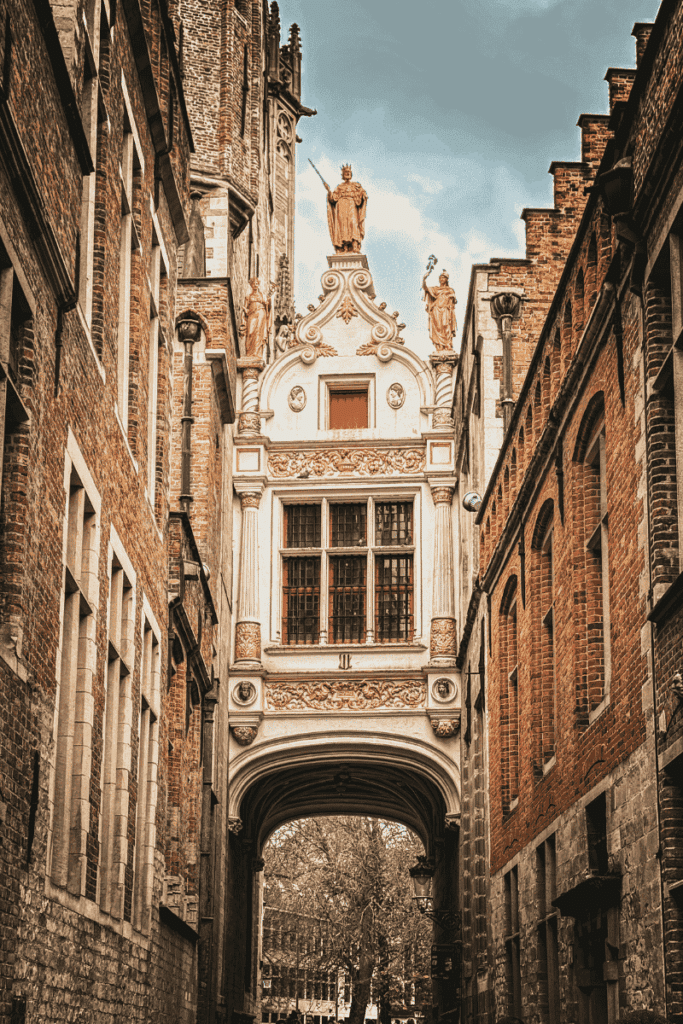
Example 1-Week Itineraries for Your First Christmas Market Trip
If you’d like a few examples to help get you started, here are two simple one-week itineraries that pair some of Europe’s most magical markets without packing in too much or spending all your time on trains.
Itinerary 1: Belgium + France + Switzerland
📍 3 Nights in Brussels, Belgium
- Day 1: Explore the magical Winter Wonders market in Brussels
- Day 2: Day trip to Bruges & Ghent
- Day 3: Day trip to Maastricht, Netherlands, (Optional)
Pro Tip: Brussels makes a great base with easy train access for day trips to places like Bruges and Ghent (about 30–45 minutes each) and Maastricht, Netherlands (about 1.5 hours by bus).
📍 3 Nights in Strasbourg, France
- Day 4: Explore Strasbourg – the oldest Christmas market in France
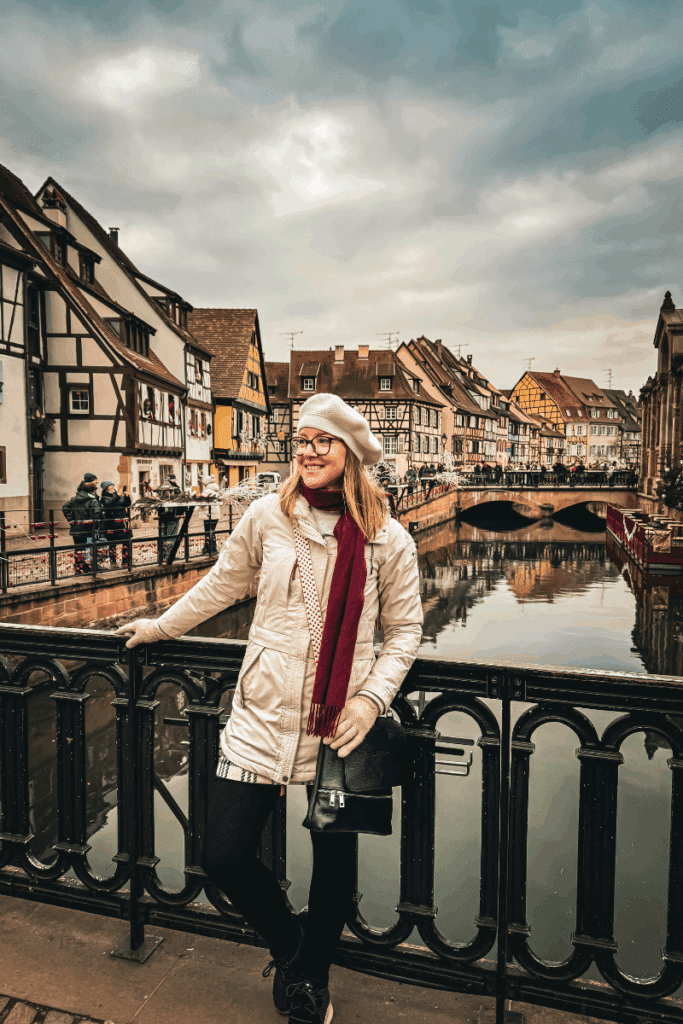
- Day 5: Day trip to Colmar
- Day 6: Day trip to Basel, Switzerland
Pro Tip: All three cities are connected by direct trains, making this a stress-free route.
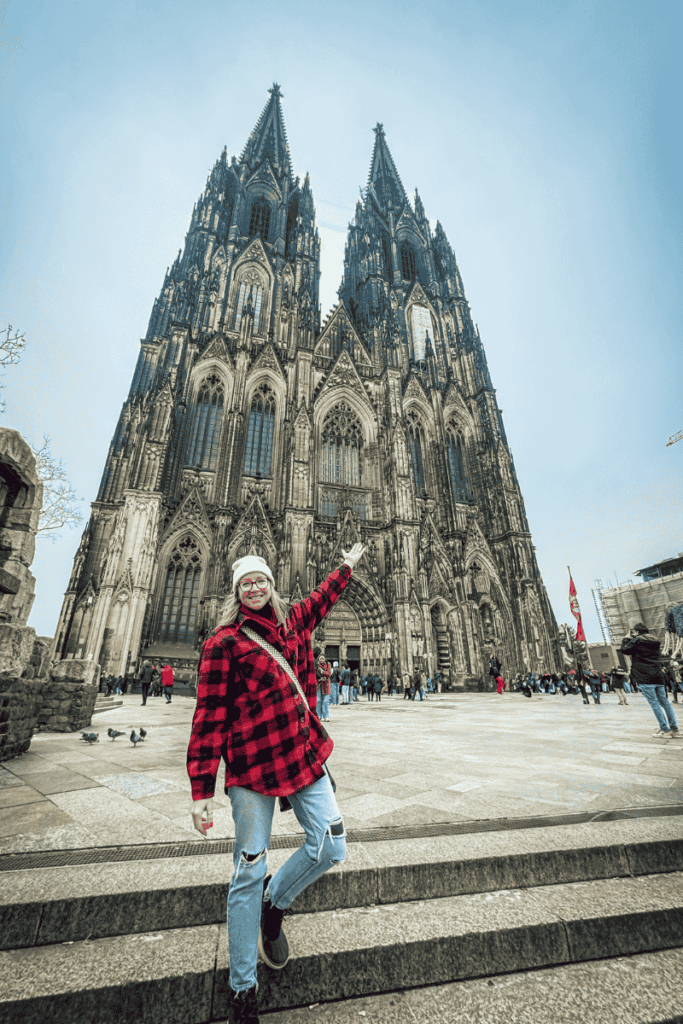

Itinerary 2: Germany + France + Switzerland
📍 3 Nights in Cologne, Germany
- Day 1: Explore the iconic Cologne Christmas Markets
- Day 2: Day trip to Düsseldorf
- Day 3: Continue exploring Cologne’s markets
Pro Tip: Cologne has 7 different markets spread throughout the city, each with its own vibe—you’ll need at least two days to enjoy all of them and the city!
📍 3 Nights in Strasbourg, France (same as Itinerary 1)
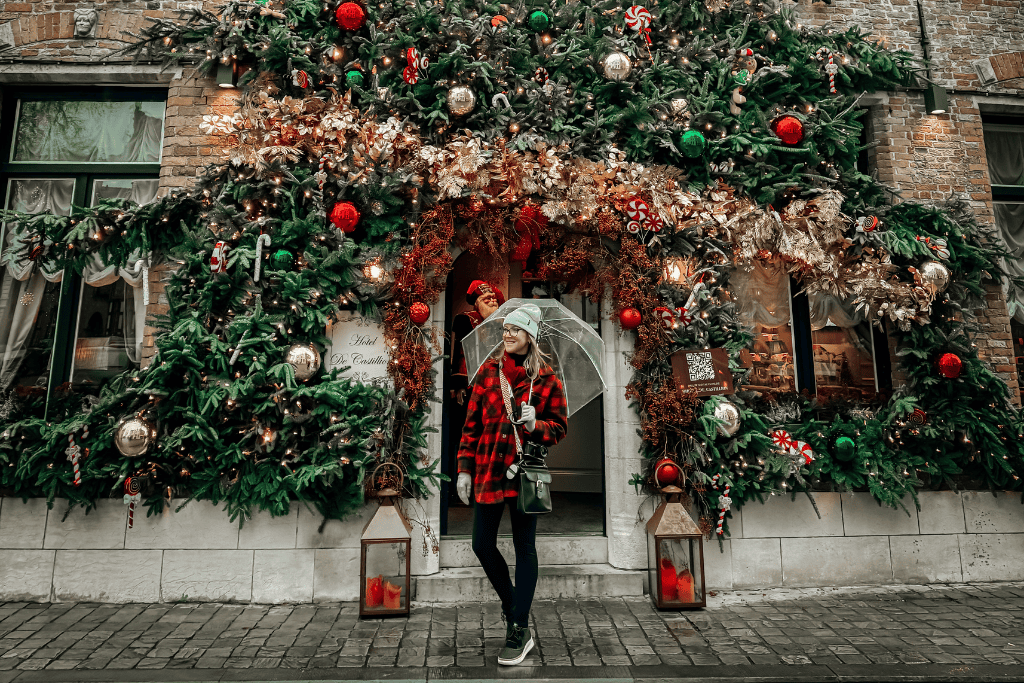
Where to Stay For Christmas Markets
Try to stay in the heart of the city, close to the markets.
Being within walking distance means you can pop back to your room to warm up, drop off souvenirs, or shed a few layers when needed. It really helps you make the most of your time.
Just keep in mind that hotels and rentals in prime locations tend to charge more during the Christmas market season (and they know tourists will pay it).
That said, the public transportation in most European cities is fantastic! Trains, trams, and buses run often and are super easy to use. If you’re open to staying a little further out, you can often score much better deals and still get to the markets quickly.
It’s all about finding the balance that works best for your travel style and budget.

How to Travel Between Christmas Markets in Europe
You don’t need to rent a car, hire a driver, or join a group tour to see Europe’s best Christmas markets.
Train travel is by far the easiest and most enjoyable way to get around. It’s how I travel every time I visit—especially during the holidays.
The Trains are comfortable, very efficient, and many regions offer special passes that can save you money. If you’re planning to visit several countries and move around a lot, a Eurail Pass might be worth considering.
Otherwise, I just use Omio for all my train passes.
And unless you’re covering a huge distance, I’d avoid flying between cities. With long security lines, luggage restrictions, and the risk of delays or lost bags, air travel during the holiday rush just isn’t worth the hassle.
Trains let you relax, enjoy the scenery, and arrive right in the city center—no stress required.
Train Pass Quick Guide
Visiting multiple countries or lots of cities?
→ Grab a Eurail Pass for easy, flexible travel.
Sticking to just a few places?
→ Book point-to-point tickets on Omio.


What to Do at the Christmas Markets
Take your time walking around the stalls, trying delicious market foods, shopping, and enjoying all the twinkling lights and decorations.
Many markets also have a Ferris wheel, carousel, or even a tower you can climb for a beautiful view of it all.
Also, look for special events like light shows, usually held in town squares. The light show in Brussels’ main square was so beautiful it actually brought tears to my eyes.
That said, you probably won’t want to spend your entire day at the markets. After a while, they can start to feel a little repetitive—same souvenirs, same snacks, same music—and that magical feeling begins to wear off.
I highly recommend planning other things to do outside the markets. Like walking tours, museums, eating at an actual restaurant, or even just wandering the old town streets looking at architecture. It gives your day more variety and makes returning to the markets at night feel magical all over again.

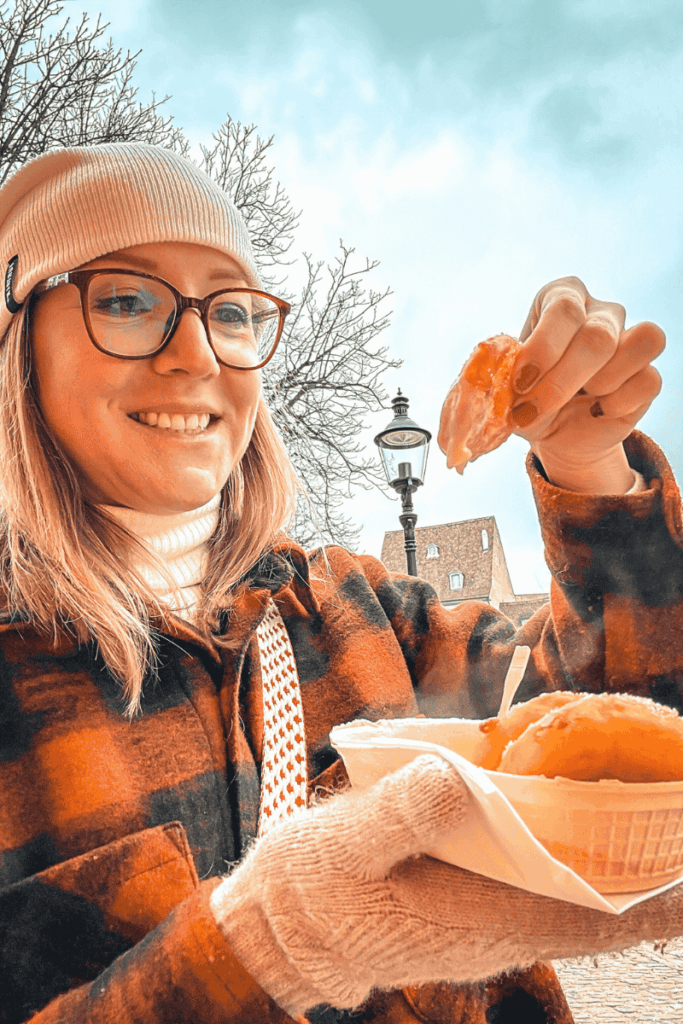
What to Eat and Drink at The Christmas Markets
Food is half the fun at the Christmas markets!
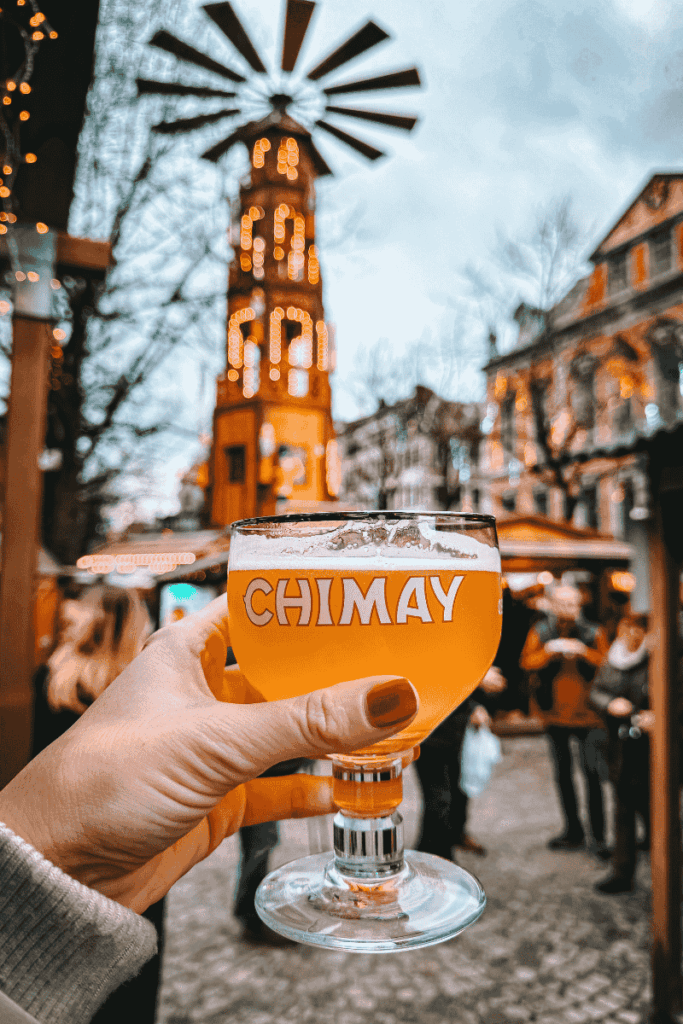
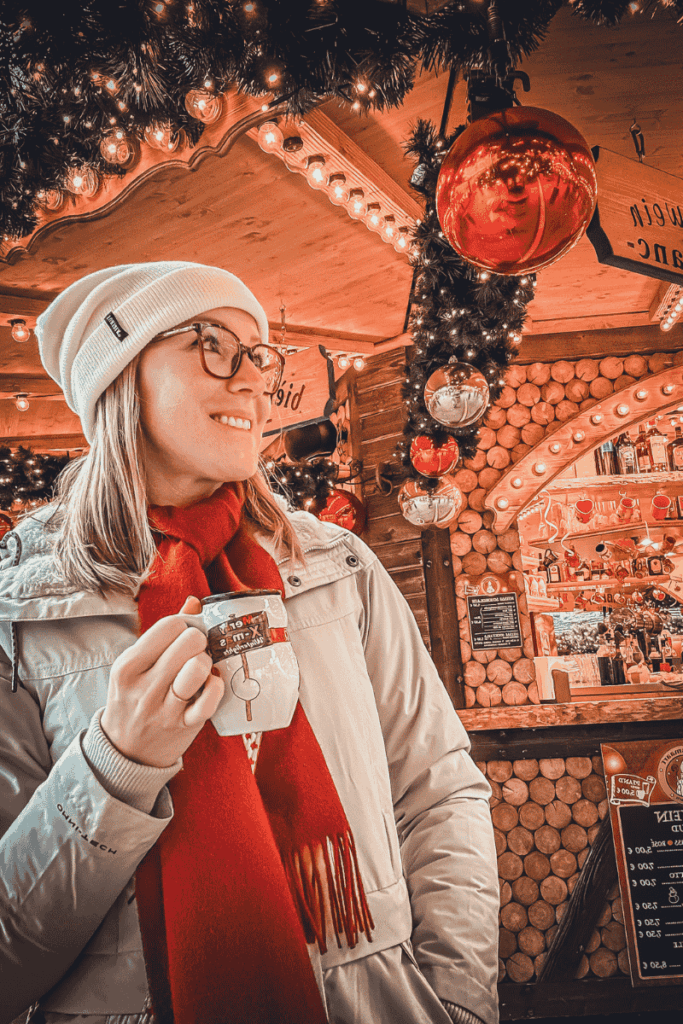
Glühwein (hot mulled wine) is an absolute must! Nothing warms you up faster.
Some of my favorite eats are:
- Langos (crispy fry bread with toppings) – found at all markets
- Käsespätzle (cheesy noodles with crispy onions) – found at several markets
- Flammlachs (fire-roasted salmon) – found at almost all markets
- Opfelchuechli (apple donuts that smell like heaven) – found in Basel, Switzerland
Every market has its own specialties, so be sure to come hungry! And if you’re a foodie like me, check out my full post on the best Christmas market foods to try and where to find them all.

What to Wear to The Christmas Markets in Europe
If you’re coming from somewhere without real winters, the cold in Europe can definitely catch you off guard.
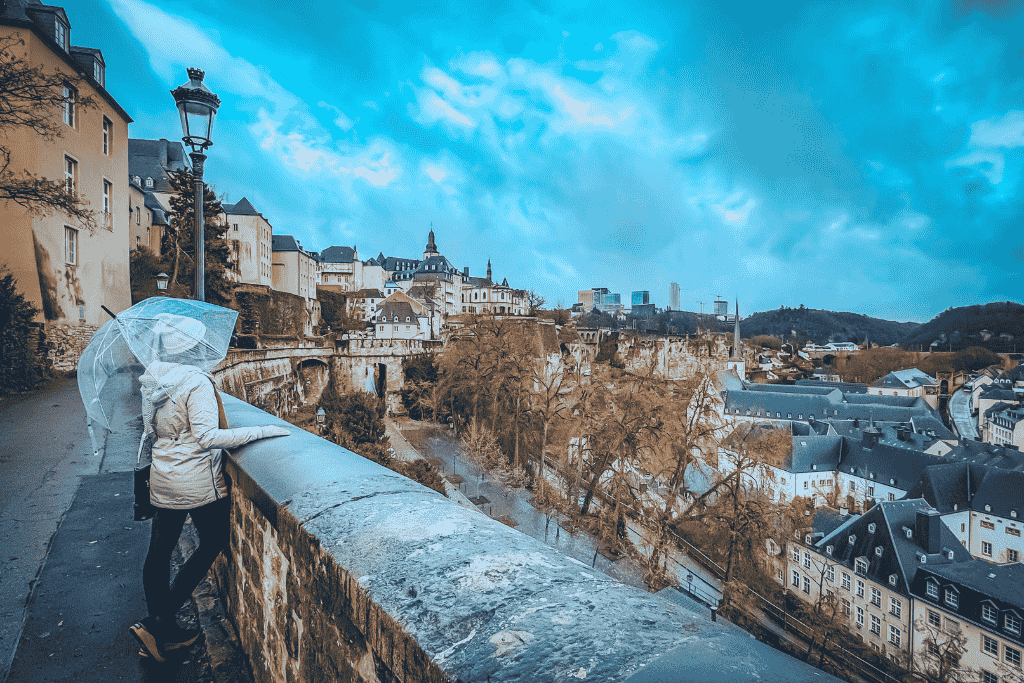
Rain is more likely than snow, so a waterproof winter coat is a must.
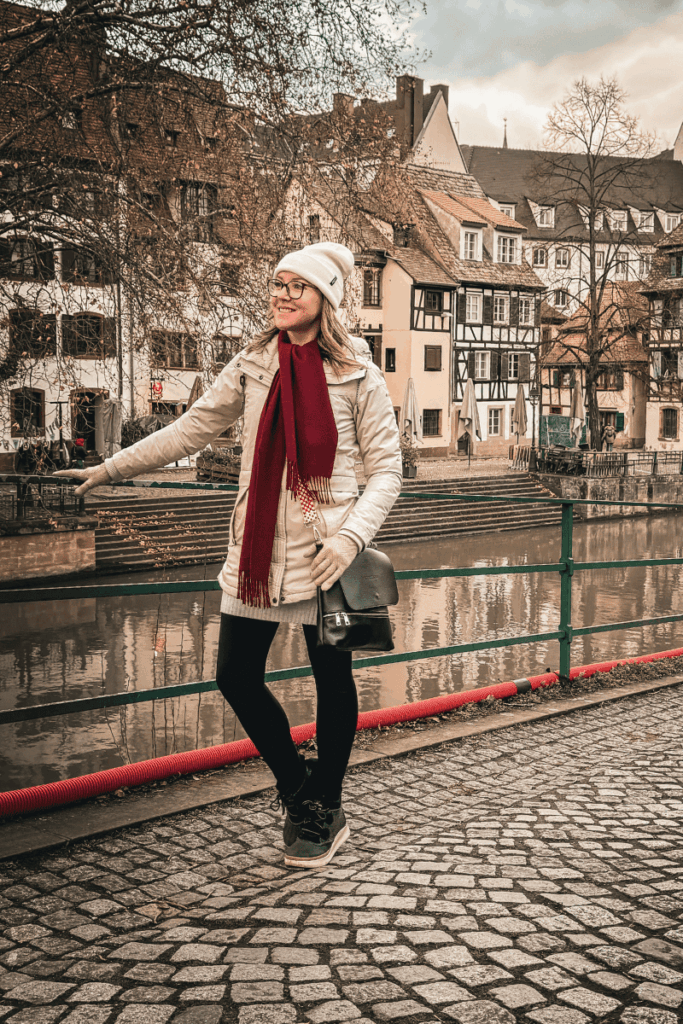
The key is layering thin but warm pieces you can stack without feeling bulky. I love cashmere sweaters for that reason: they’re soft, lightweight, and seriously warm.
A good base layer is also essential, especially if (like me) you don’t handle the cold well.
And for dressier days, I swear by fleece-lined leggings or thermal tights under a cute sweater dress or skirt.
You’ll also be walking a lot on cobblestone streets, so bring comfortable, warm, and waterproof boots. I usually only pack one solid pair, and my favorite Sorel boots have never let me down.
Don’t forget all the cozy extras, too: a really warm hat, scarf, and gloves are essential!
Pro Tip: Keep your suitcase light and pack a capsule wardrobe. Choose items that mix and match within the same color scheme so you can create lots of outfits with just a few pieces. Trust me, you’ll be glad you saved the space for souvenirs!
Christmas Market Essentials
There are a few more things I always pack when visiting Christmas markets. These items make a big difference when you’re out all day in the cold, dealing with crowds, and juggling eating, shopping, and taking photos.
Here are my go-to essentials you’ll want with you:
- Packable Day Backpack
Perfect for holding all the goodies you pick up at the markets—whether it’s ornaments, snacks, or your Glühwein mug collection. - Rechargeable Hand Warmers
Total lifesavers when your hands get cold from taking gloves off to eat or snap pictures. I don’t travel without them anymore. - Collapsible Travel Mug with a Lid
Keeps your Glühwein hot longer and helps avoid spills—especially helpful when the crowds get tight and you’re juggling food and drinks. - Nano Phone Charger
Super tiny and easy to use while still holding your phone. I love how it doesn’t get in the way when I’m taking photos or navigating maps. - Touch Screen Wool Gloves
You won’t want to pull your gloves off every time you take a picture—especially since you’ll be snapping a lot of them! - Wet Wipes
Between sticky snacks, Glühwein drips, and general market messiness, these always come in handy. I also use them to wipe out my mugs before packing them away.

Christmas Market Tips for First-Time Visitors
If this is your first Christmas market trip, there are a few things you’ll definitely want to know before you go. From how to avoid common mistakes to little tricks that make the experience smoother, I’ve learned a lot over the years.
Be sure to check out my post “Christmas Market Tips and Mistakes First-Timers Should Know” next! It’s full of helpful advice to make your trip easier and more enjoyable.
That’s a Wrap
I hope this guide gave you everything you need to feel confident about how to plan a Christmas market trip to Europe.
Whether you’re just starting to dream or already deep into planning, you’re well on your way to a festive adventure you’ll never forget.
Oh, and don’t forget to grab my free Christmas Market Planning Guide—it’s packed with checklists, tips, and all the extras to make sure planning is easy and your trip is as smooth (and magical!) as possible.