
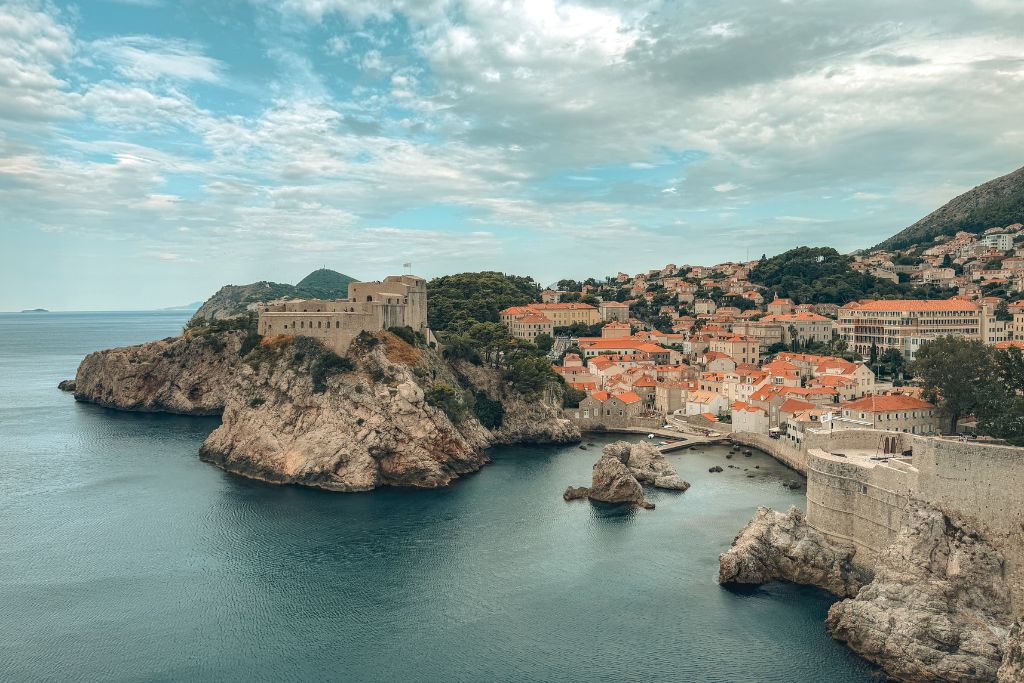
Is Croatia Worth Visiting? The Honest Pros & Cons You Need to Know
Is Croatia worth visiting?
Honestly… I asked myself the exact same question before I booked my trip.
I ended up going to Croatia on a bit of a whim because flights were cheap. But I had always been curious, and I kept hearing people say it was like Italy, but better.
So off I went, spending 7 days there solo in August, exploring everything from the walled cities to the islands.
And while there were a lot of things I absolutely loved, not everything lived up to the hype.
I’m breaking it all down for you… the good, the not-so-good, and everything in between.
You’ll get a clear picture of what Croatia is actually like, and whether it’s truly worth adding to your bucket list.
Because if you’re anything like me, you don’t want the sugar-coated version. You want the real experience before you book the flight.


Croatia Quick Guide
Here’s a quick mini guide to help you make the most of your time in Croatia!
Best Time to Visit:
Late spring and early fall have been discovered and become crowded. But if you can handle the heat, August is surprisingly less crowded than you’d think (except Dubrovnik, which is always busy!).
Top Places to See:
Dubrovnik and Split are musts, but the islands, especially Hvar and Vis, were easily the highlight of my trip.
Must Do Activities:
Go Island Hopping
Walk the Dubrovnik city walls
Take a Day Trip to Montenegro
15 Reasons You Should Add Croatia to Your Bucket List
Croatia definitely has its pros and cons, but let’s start with the good stuff, because there’s a lot to love here. From the insanely clear water to the historic cities, Croatia really does sweep you off your feet.
These are all the reasons I think Croatia is worth visiting…
Crystal Clear Waters
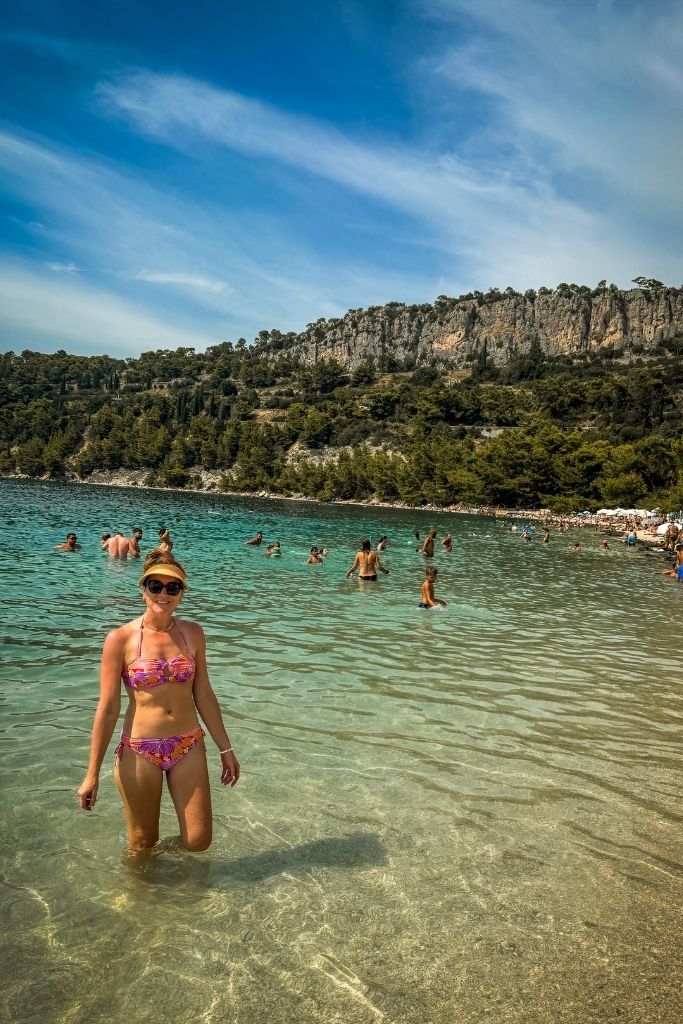
The coastline in Croatia is honestly next level.
It’s known for having some of the clearest, bluest water in all of Europe, and after seeing it for myself, I completely get the hype. Especially around the islands, the water is that unreal turquoise blue where you can see straight to the bottom.
Croatia also has over 100 Blue Flag beaches.
This is a prestigious award given to those who meet strict standards for quality and safety and are well maintained.
Swimming, snorkeling, kayaking… I took full advantage of all of it in the Adriatic Sea. This was easily one of my favorite parts of the trip.
Island Hopping
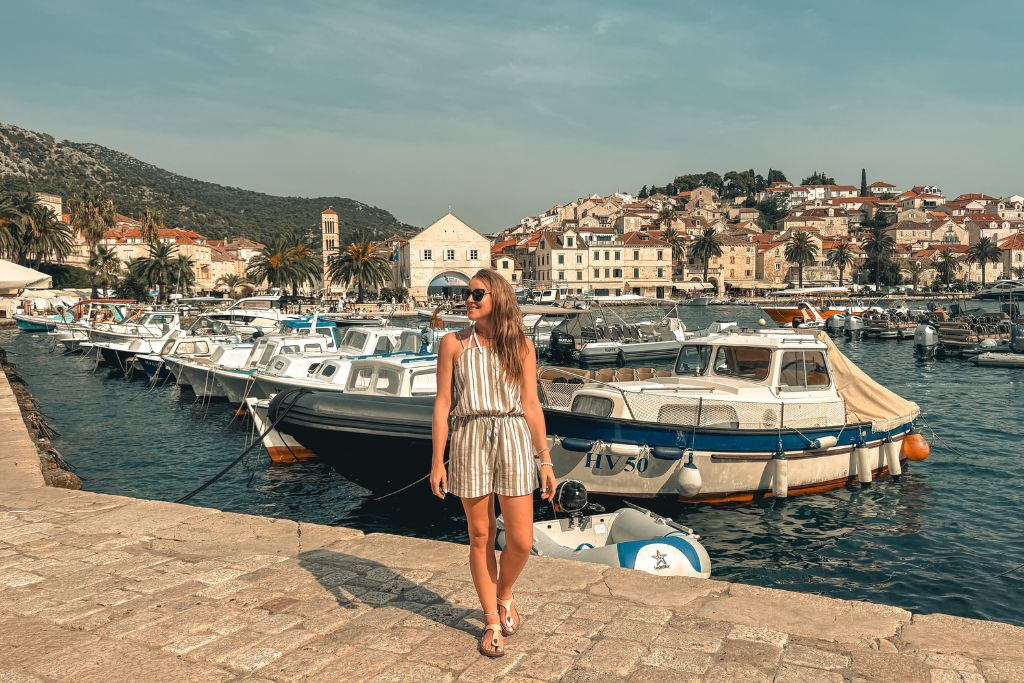
You can’t go to Croatia and not go island hopping… It’s a must!
This was hands down my favorite part of the entire trip.
I loved the slower, more laid-back vibe of the islands compared to the busy mainland cities.
Hvar was a standout for me, and I really wish I had planned more time there.
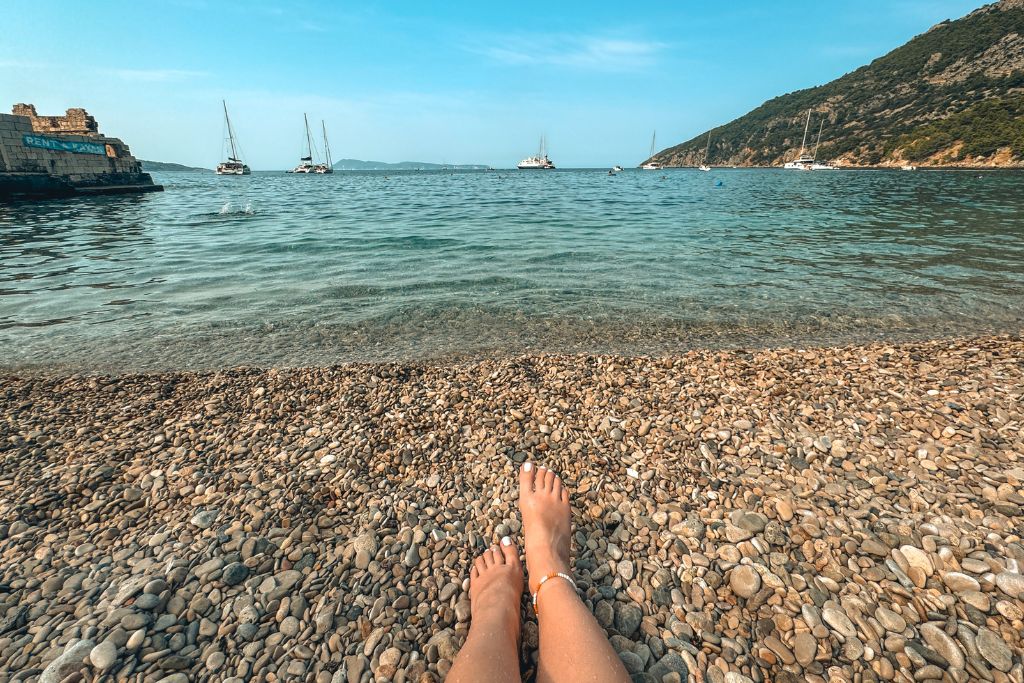
Vis is another cute little island (and a filming location for Mamma Mia!), and while it’s tiny, it has one of my favorite beaches in Croatia tucked away at the far end.
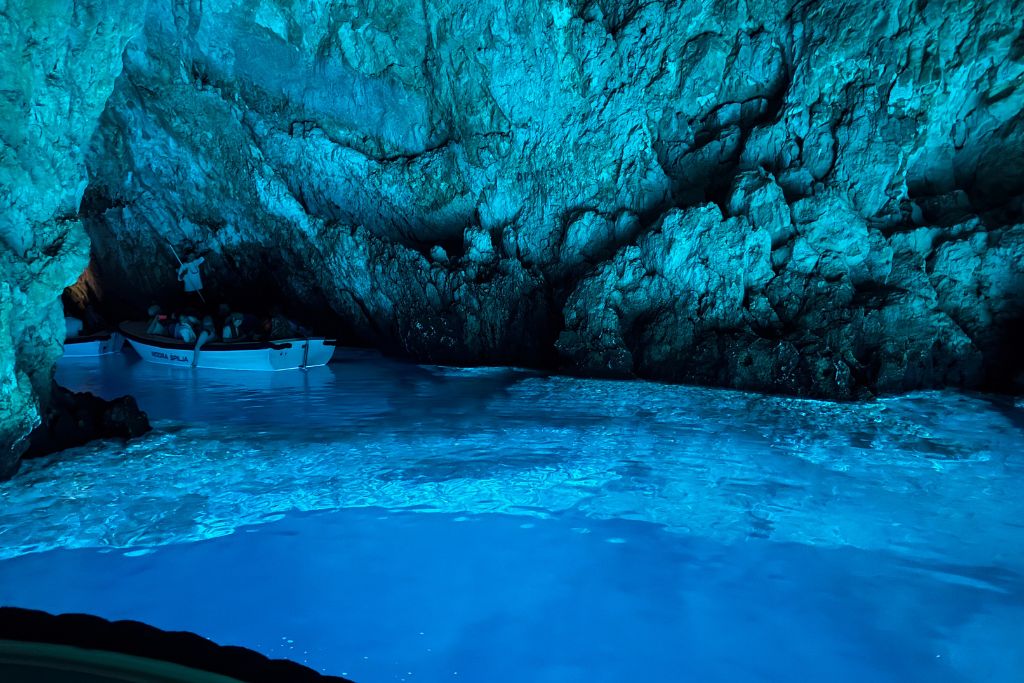
And you have to visit the Blue Grotto. It’s seriously the best one I’ve seen anywhere in Europe. The way the light hits the water inside the cave is unreal.
Epic Sailing
Croatia is made for sailing.
I didn’t actually do this on my trip, but there were sailboats everywhere, and it honestly looked like the best way to experience the country.
With so many islands and hidden coves, it’s the perfect place to just sail around, drop anchor, and swim whenever you feel like it. My husband and I are actually getting our sailing licenses, and this is at the top of our list of places we want to go sailing first.
If you’re not experienced, you can always hire a captain for the day, and I can already tell you, it would be incredible.
Ancient Ruins
If you love ancient history and ruins, Croatia has plenty of it.
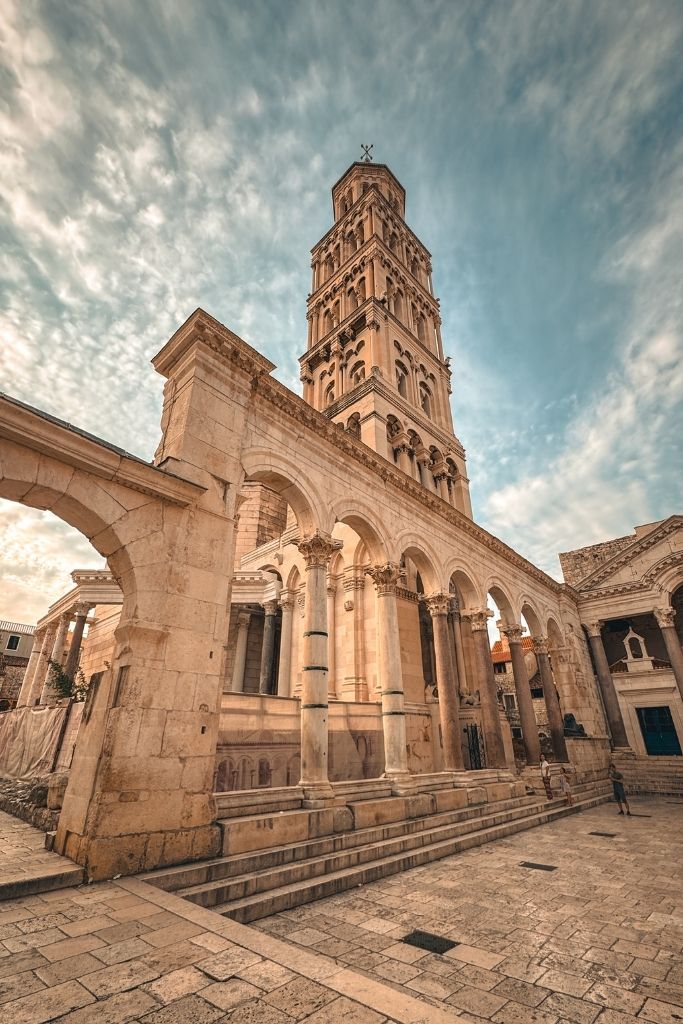
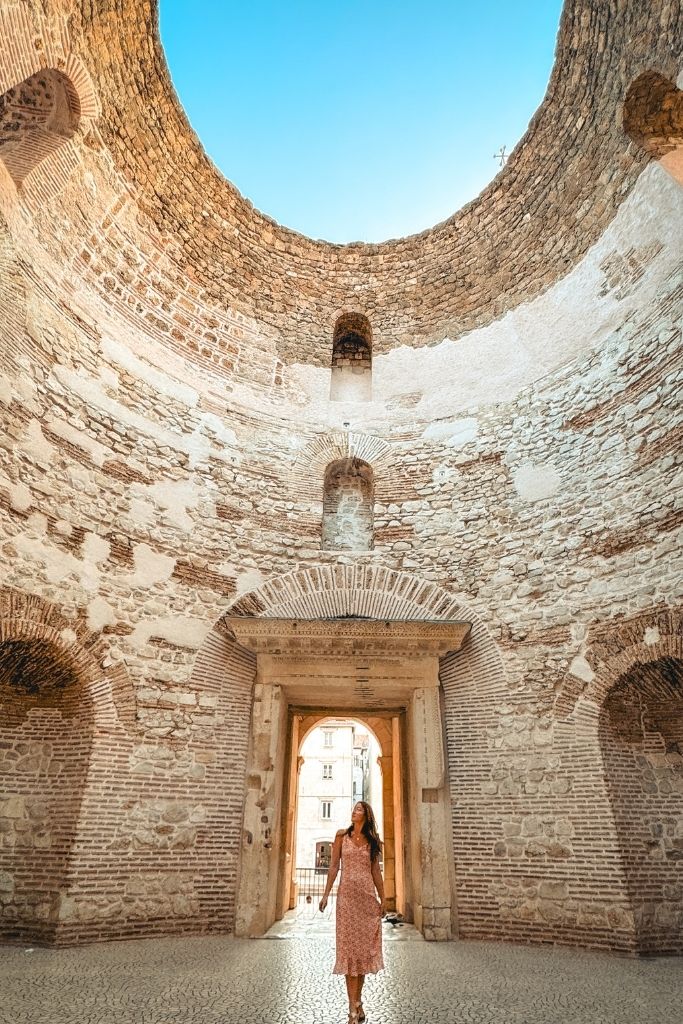
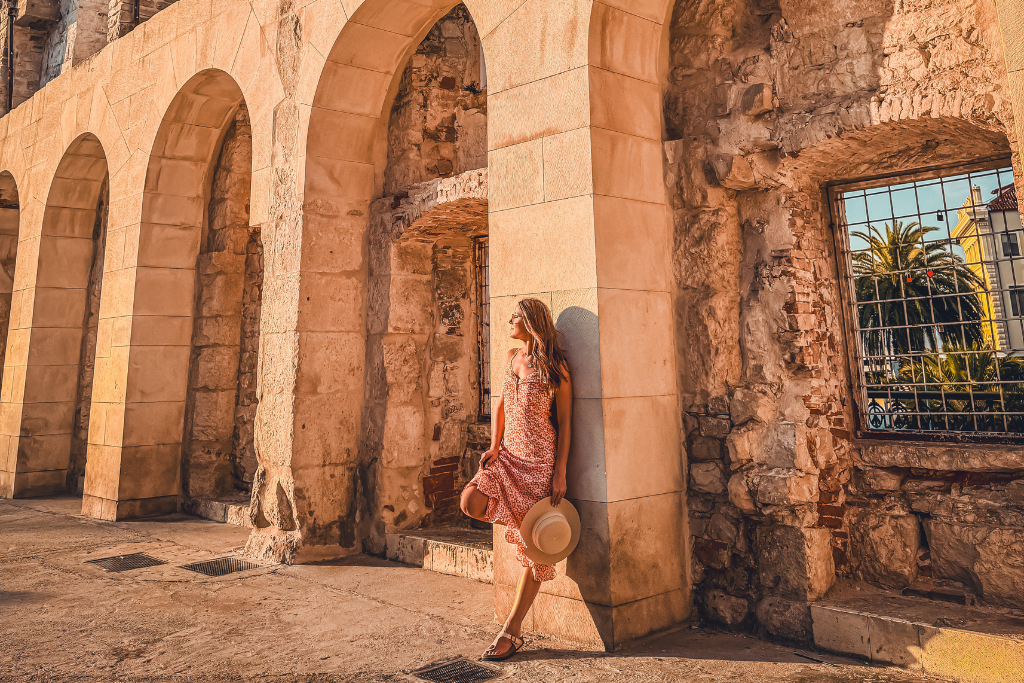
One of my favorite experiences was waking up early and walking through Diocletian’s Palace in Split before the crowds showed up.
I know… waking up early on vacation sounds awful, but just do it once. It’s so worth it to have a place like that almost completely to yourself.
You’ll find ruins scattered all over Croatia, and if you’re road-tripping, definitely stop when you see them. It’s kind of wild trying to imagine what life looked like there hundreds (or thousands) of years ago.
Walled Cities
Croatia is famous for its walled cities.
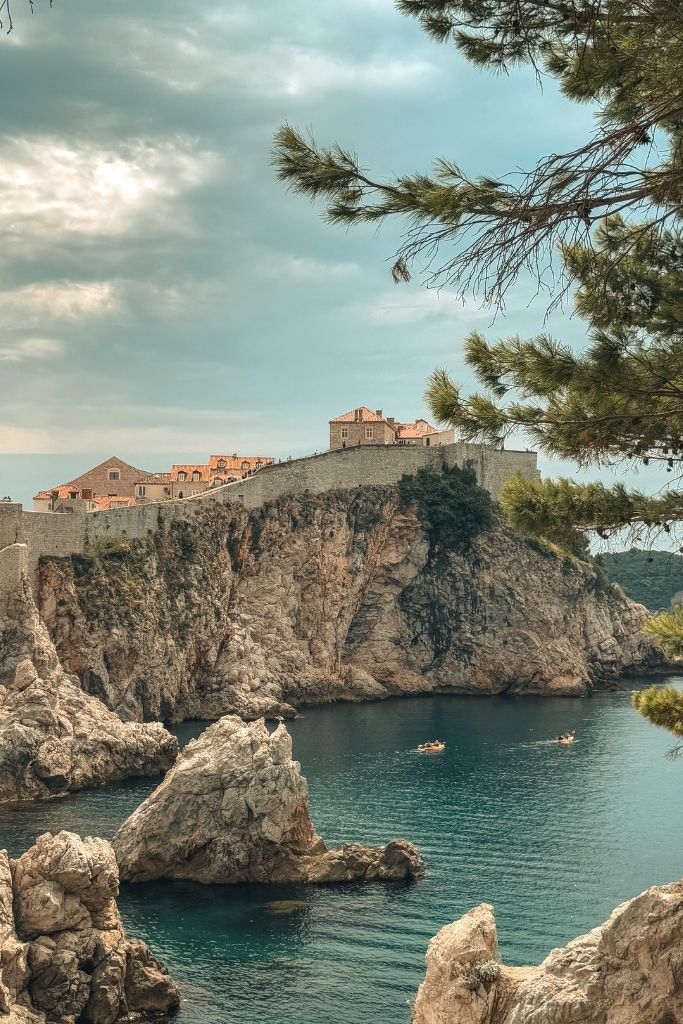
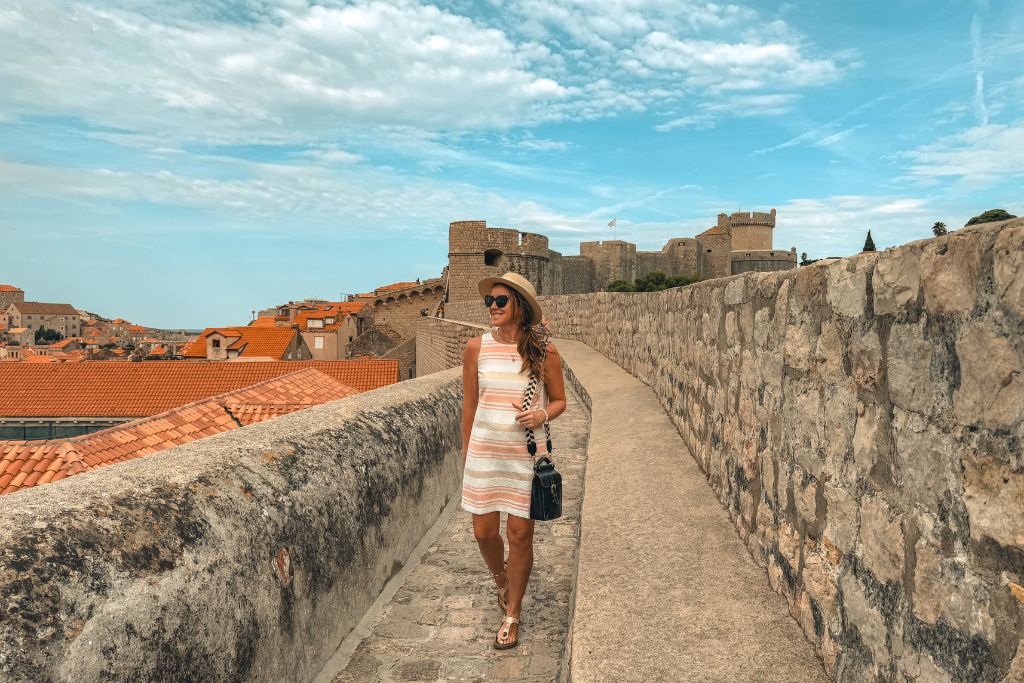
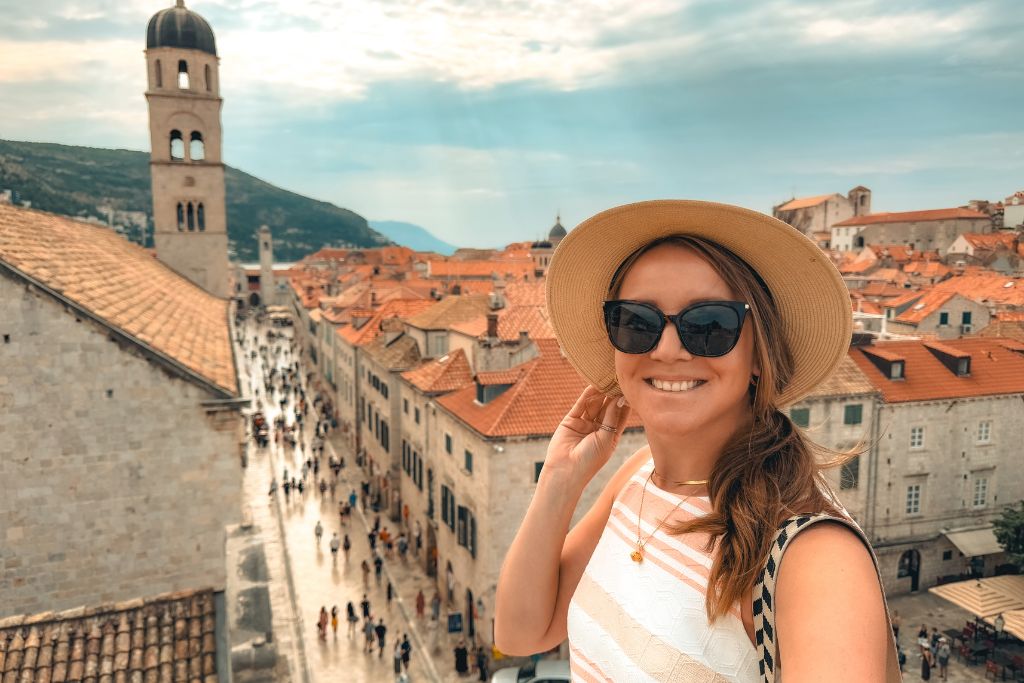
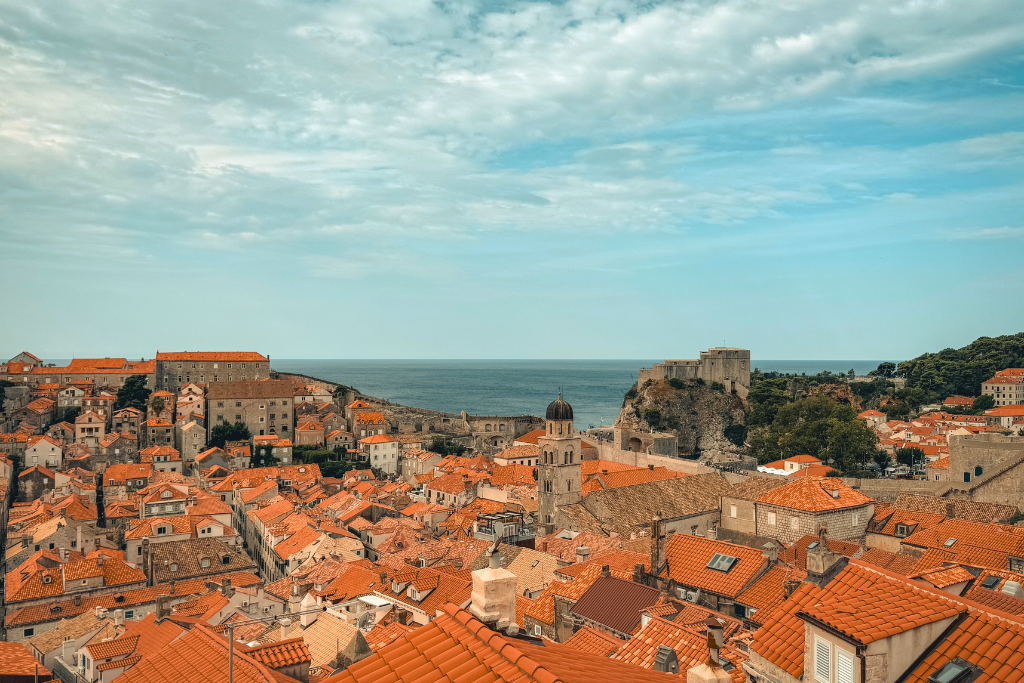
Dubrovnik is the big one, completely surrounded by massive stone walls that you can actually walk along. The views from up there, looking out over the coastline and down onto the red-roofed buildings, are unreal!
Split also has remnants of its original walls, and even though not all of it is still standing, you can tell they’re doing a great job preserving what’s left.
There’s just something about those old stone walls that gives these cities such a cool, historic feel, and if you can, I definitely recommend staying inside them for the full experience.
No Cars Inside The Walls
One of my favorite things about Croatia, especially in the walled cities, is that there are no cars.
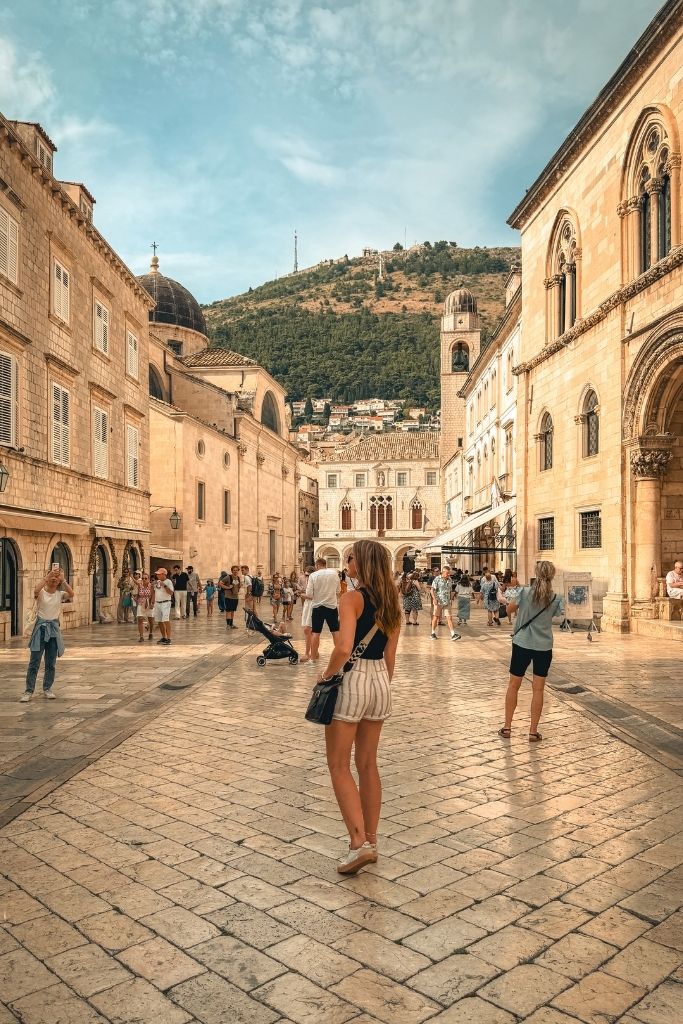
It makes such a difference when you’re exploring. No traffic, no noise, no dodging cars… just wandering through narrow cobblestone streets, popping into little shops, and stopping at cafes whenever you feel like it.
It’s just calmer, slower, and way more enjoyable overall.
Amazing Views
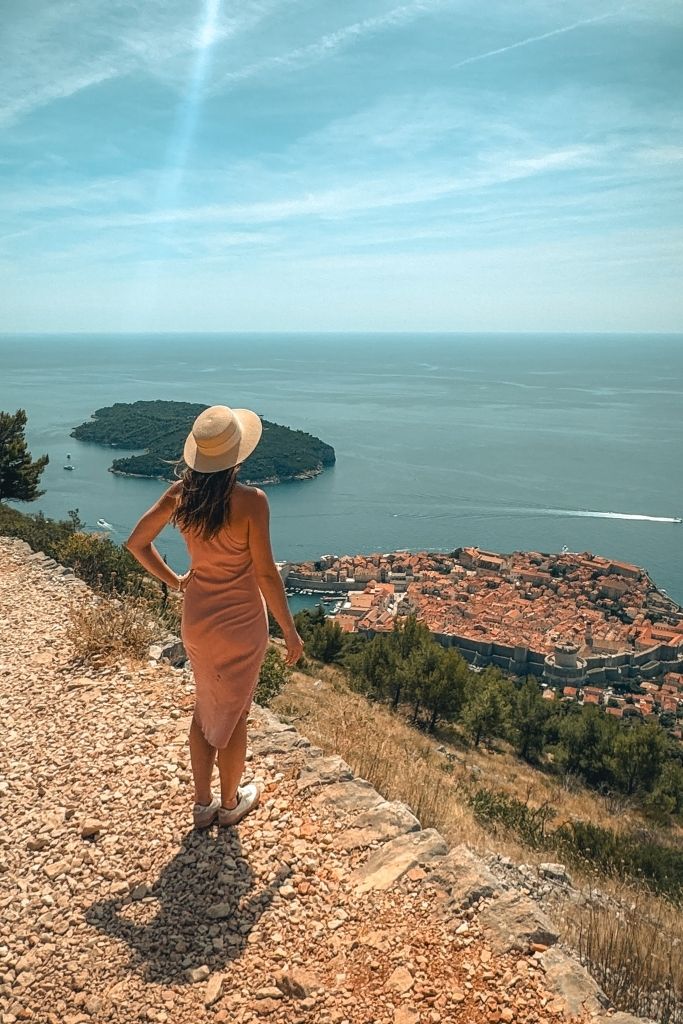
The views in Croatia, specifically in Dubrovnik, are seriously insane! You won’t be able to stop taking pictures.
From walking the walls to taking the cable car up Mount Srd for a full panoramic view of the coastline, it’s just one breathtaking view after another.
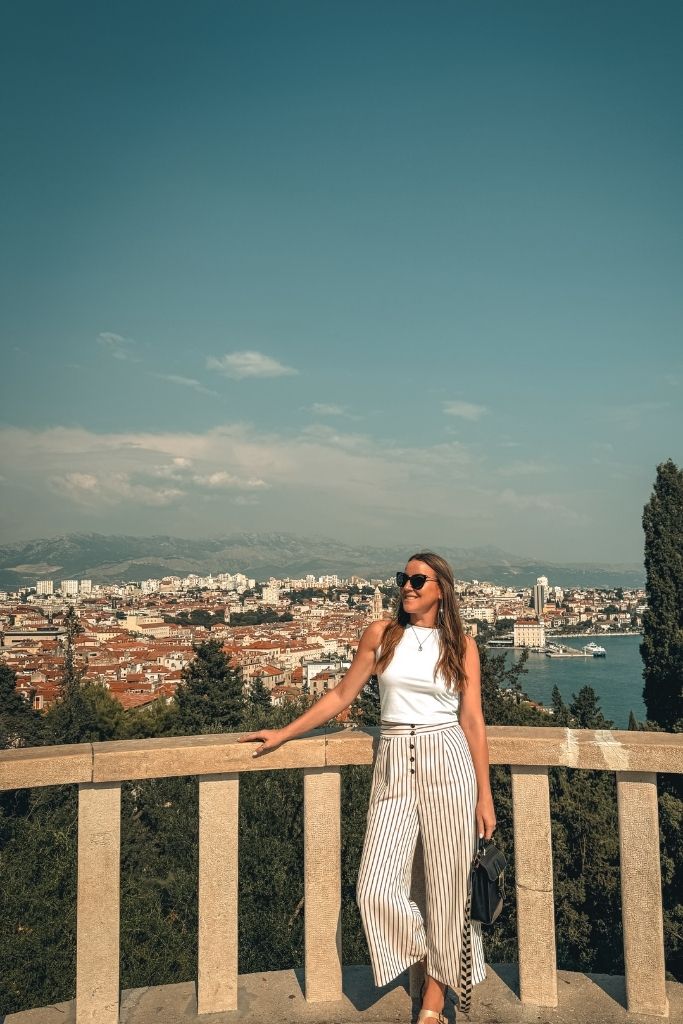
Split has some amazing viewpoints too, like climbing the bell tower at Saint Domnius Cathedral or heading up Marjan Hill for a perfect overlook of the old town and harbor.
Just make sure your phone has storage… you’re going to need it.
Fascinating History
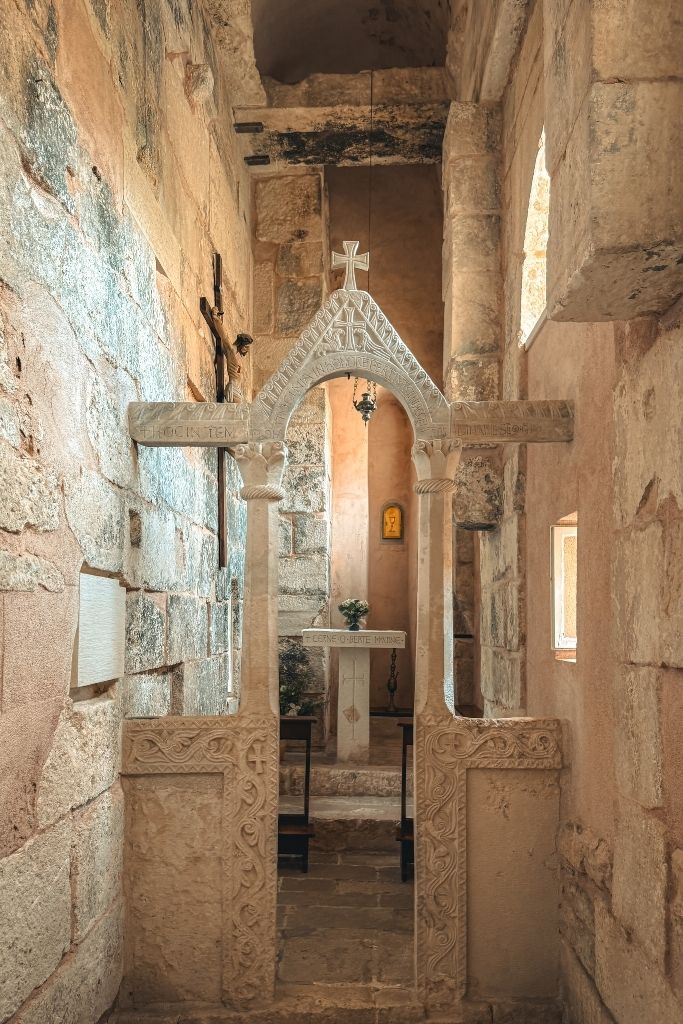
I’m not usually a huge history person, but Croatia completely changed that for me.
I did guided tours in both Split and Dubrovnik, and I learned so much more than I ever would have on my own. It really brought the cities to life in a way I didn’t expect.
There are so many fascinating details and stories behind these cities and the country, and once you know them, you start to appreciate them for more than just how pretty they are.
These are great to do when you first arrive, so you can get the lay of the land and pick your tour guide’s brain for tips and recommendations!
Amazing Seafood
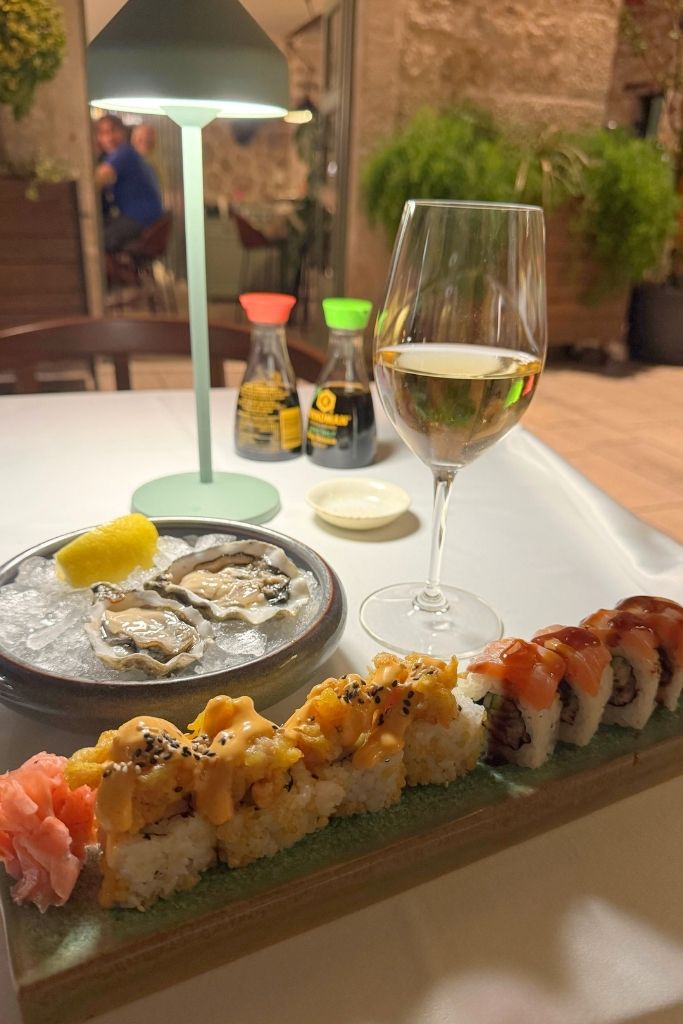
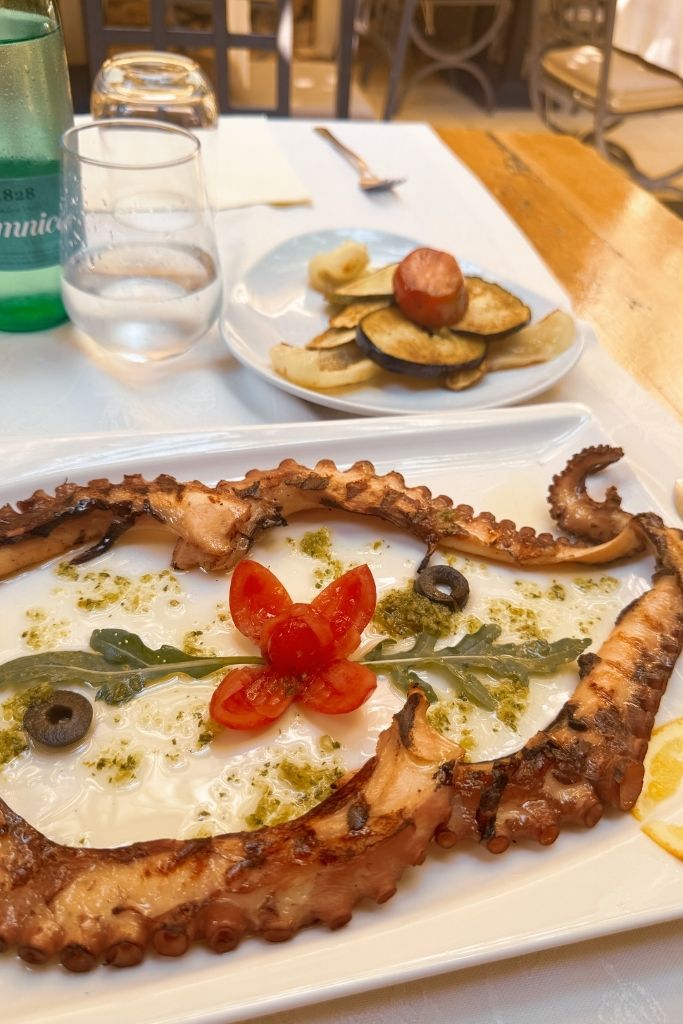
The seafood alone is honestly reason enough to visit Croatia.
I took full advantage of it while I was there, and I’m not even exaggerating when I say I had the best oysters of my life in Split. I had heard people say Croatia has amazing oysters, but I was like… how good can oysters really be?
Turns out… really, really good!
They were buttery, smooth, and slightly sweet, so different from anything I’ve had before. I still think about them, and I’m not even joking when I say that if I go back, I’m going straight to that same restaurant to order more.
I had great seafood in Dubrovnik, too, but Split definitely wins for me.
Underrated Wine
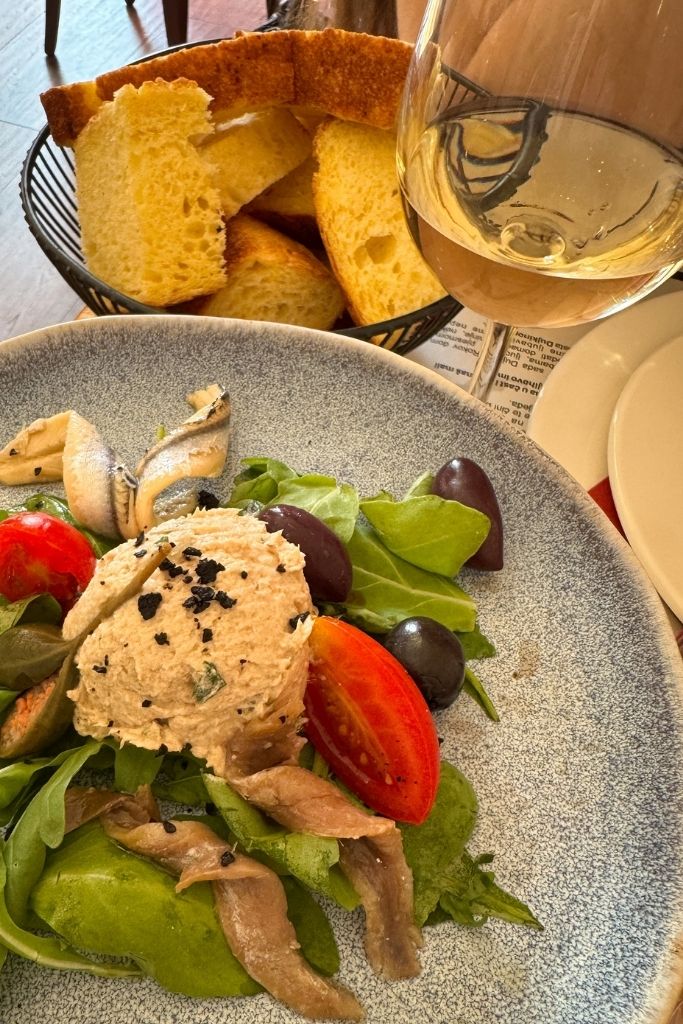
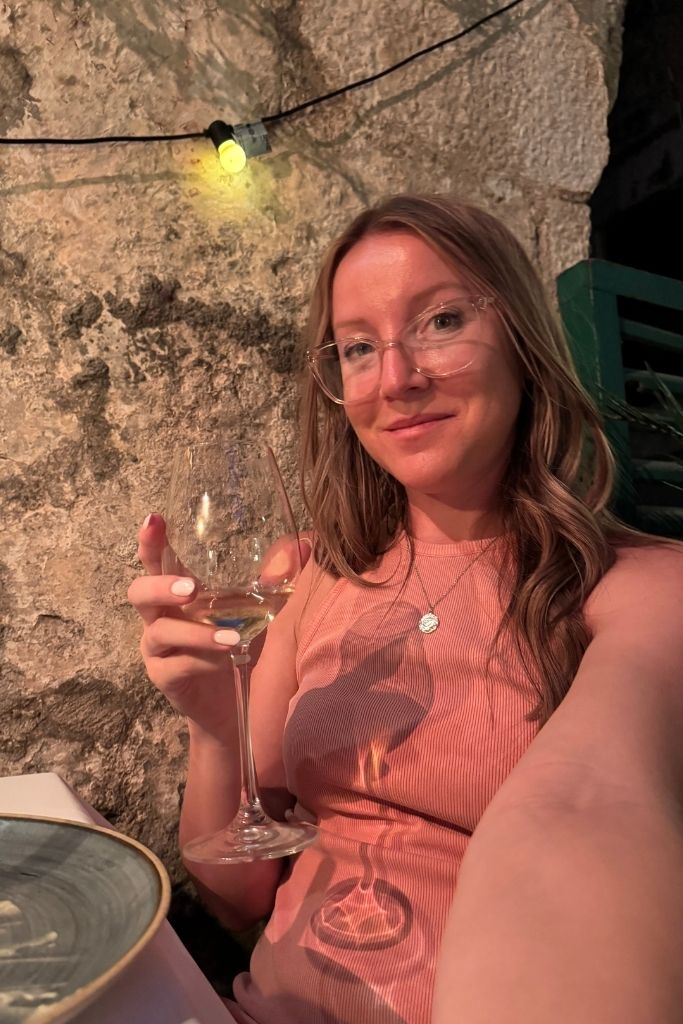
The wine in Croatia deserves its own recognition on this list.
It’s so good, and yet hardly anyone talks about it. A big reason for that is because Croatian wine isn’t exported. It’s made in small batches, often by local families, and mostly shared within the country.
I learned all about this on a food tour I took in Split, where I got to try a bunch of different wines from small, locally owned shops, and they were so good.
It honestly felt like finding a hidden gem that the rest of the world hasn’t caught onto yet.
When you go, be sure to try them all!
Game of Thrones Filming Sites
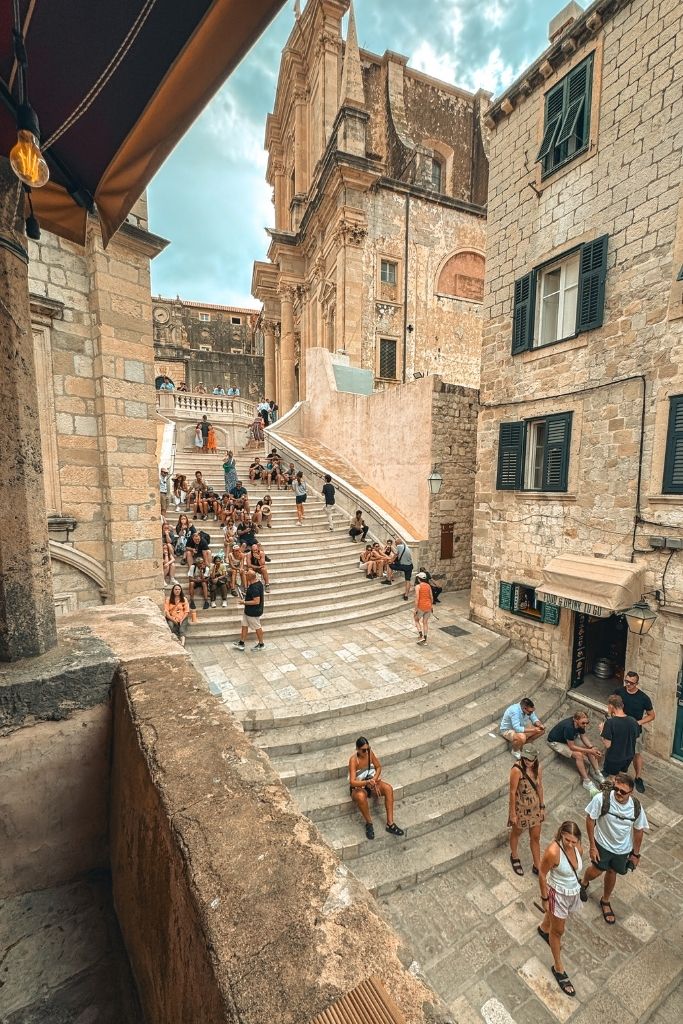
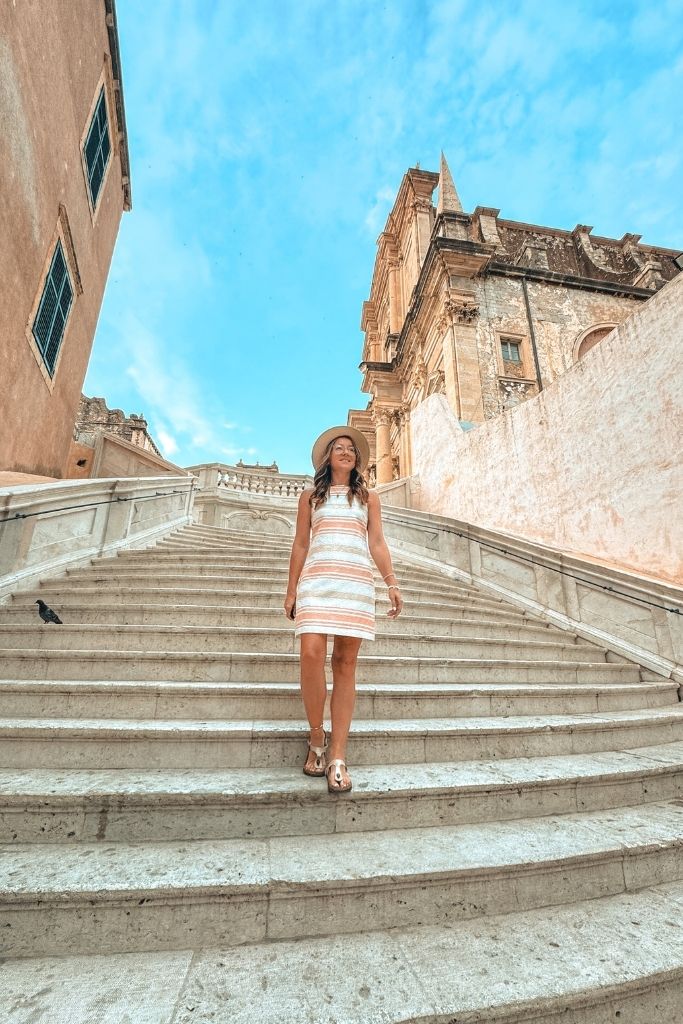
I can’t not mention Game of Thrones when talking about Croatia, especially Dubrovnik.
This is actually one of the main reasons Croatia blew up in popularity, and Dubrovnik really leaned into it. You’ll see references to the show everywhere, from tours to themed drinks and even menu items.
I’m not the biggest fan of the series myself, but I will say… it was pretty cool recognizing some of the filming locations while walking around the city.
And whether you’re into the show or not, it’s worth knowing that it played a huge role in bringing tourism (and life) back to Dubrovnik. They take a lot of pride in it.
Beautiful National Parks
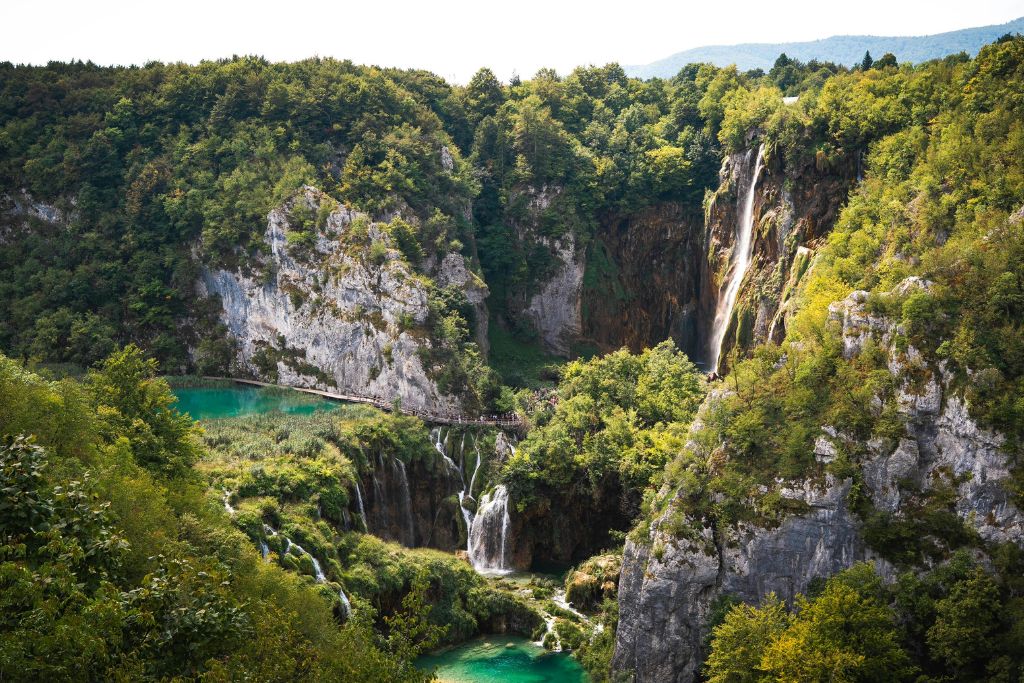
One of the coolest things about Croatia is that it has 8 national parks, and they all look incredibly lush.
The two most popular are Plitvice Lakes National Park and Krka National Park, both known for their cascading waterfalls and bright turquoise water. I really wanted to visit one while I was there, but I just didn’t have the time.
From what I’ve heard, they’re absolutely worth it. It just takes a bit of planning. Krka is easier as a day trip from Split, while Plitvice is bigger and more of a full-day commitment.
Safe for Solo Travelers
I traveled to Croatia completely solo, and I felt very safe the entire time, even walking around at night.
It’s known for being one of the safest countries in the world, with very low crime rates. Every tour guide I had mentioned how safe it is and how much the country relies on and respects tourists.
On top of that, the locals were incredibly friendly and helpful, which always makes a huge difference when you’re traveling alone.
English is Widely Spoken
One of the easiest things about traveling in Croatia is that pretty much everyone speaks English.
Especially in the main cities and on the islands, I never had any issues communicating or getting around.
It just makes the whole experience better when you don’t have to worry about a language barrier.
Why You Might Not Want to Visit Croatia
As much as I loved Croatia, there were definitely a few things that caught me off guard and not in a good way.
I think it’s only fair to share both sides, because while Croatia is beautiful, it’s not going to be the perfect destination for everyone.
It’s Become Super Touristy
One of the biggest letdowns for me was just how touristy parts of Croatia were… especially Dubrovnik!
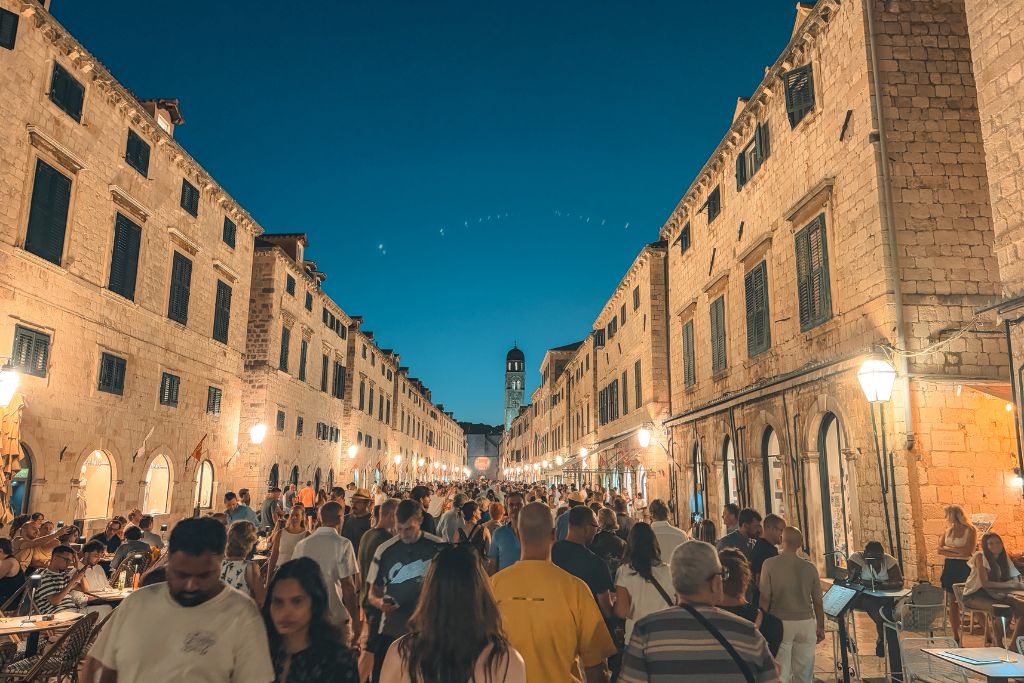
And I mean touristy with a capital T. Between the Game of Thrones fame and cruise ships docking daily, the old town can get so crowded that you’re basically shoulder to shoulder in the streets.
It’s honestly a completely different experience depending on the time of day. Early mornings before 9 am and evenings after 6 pm are much better. But during the middle of the day, it can feel a bit overwhelming.
Split wasn’t nearly as bad, and the smaller towns felt way more relaxed, but if I’m being honest, I wouldn’t plan to spend too much time in Dubrovnik. It’s worth seeing, just not for long.
It’s Gotten Ridiculously Expensive
This was probably my biggest shock and my least favorite part of the trip.
I went to Croatia thinking it would be more affordable, like “Italy but cheaper”… and that could not have been further from the truth.
It was expensive… like, more expensive than Switzerland in some cases.
I remember sitting down for a pretty normal dinner, ordering one drink and one main, and my bill would come out to $80–$100 usd.
It got to the point where I was only eating one meal a day by the end of the trip because I just wasn’t prepared for those prices.
Split was slightly better than Dubrovnik, but not by much.
Did I Mention How Expensive It Is?
And it’s not just tourists feeling it… locals are struggling too!
From what my tour guides told me, prices have gotten so high that many locals can’t afford to live in these coastal cities anymore. Some are moving farther inland and commuting hours for work, while others are leaving the country altogether.
In some cases, you’ve got multiple generations living under one roof just to make it work.
It definitely gave me a different perspective on tourism there.
You Pretty Much Have to Walk Everywhere
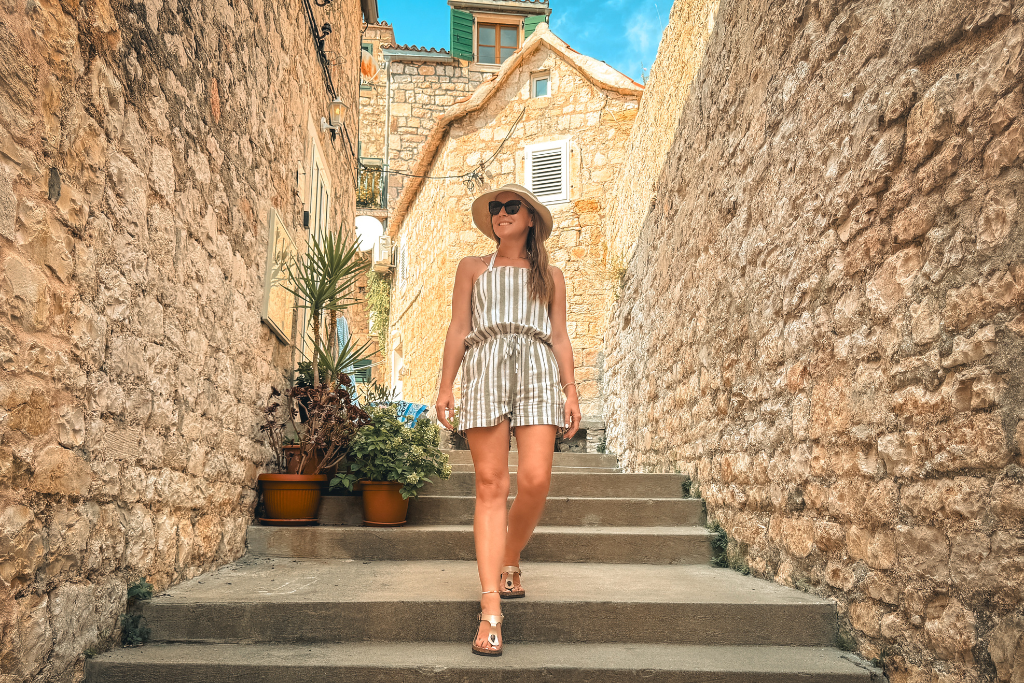
Another thing to be aware of… There is a lot of walking.
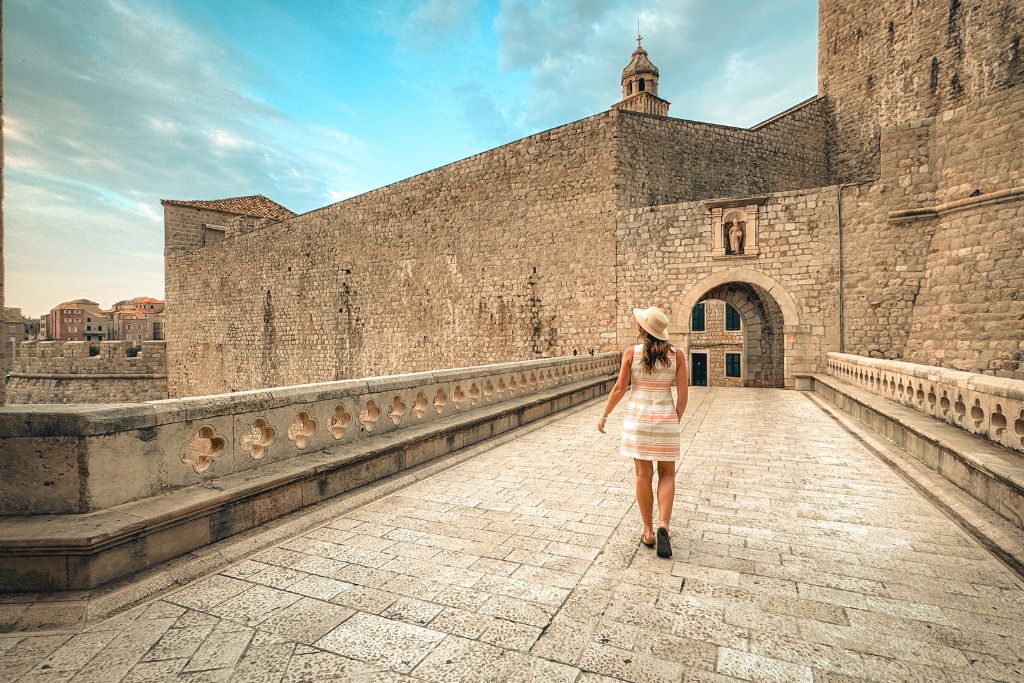
Inside the main cities (especially the walled ones), there are no cars, which is great… but it also means you’re walking everywhere.
And not just flat walking, there are so many stairs.
There’s no metro, no hop-on-hop-off buses, so you’ll definitely want to come prepared with good walking shoes.
And if you’re visiting in the summer like I did… do yourself a favor and bring a neck fan. You will thank me later!
No Sandy Beaches
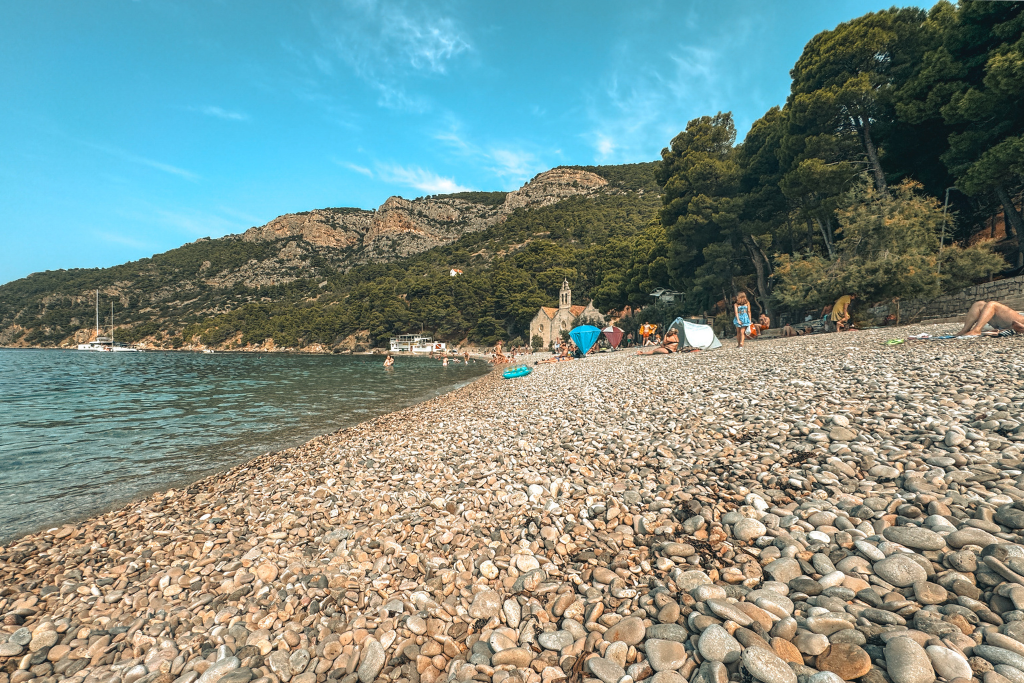
Most of Croatia’s beaches are made up of small pebbles or rocks, which, I’m not going to lie, took some getting used to (especially if you have sensitive feet like me).
Walking in and out of the water isn’t exactly the most comfortable experience.
The trade-off is that the water stays incredibly clear because there’s no sand getting stirred up, but if you’re dreaming of soft, white sand beaches, Croatia might not be the place for that.
How Many Days Do You Need in Croatia
I spent 7 full days in Croatia, and honestly, it felt like a pretty good amount of time to see a lot without feeling like I was constantly rushing from place to place.
That said, there were still a few things I didn’t get to do, like visiting one of the national parks or spending more time on the islands (which I definitely wish I had done).
If I were to do it again, I’d say the sweet spot is around 10 to 12 days. That gives you enough time to explore the main cities, slow down a bit on the islands, and maybe even fit in a national park without feeling overwhelmed.
Best Time to Visit Croatia
The best time to visit Croatia has actually changed a bit in recent years.
It used to be that the shoulder seasons (spring and fall) were the best time to go for good weather and fewer crowds, but now, that’s when everyone is going.
My tour guides even mentioned that those months have become some of their busiest.
If you can handle the heat, summer (July and August) might actually be a better option than you’d expect.
I visited in August, and aside from Dubrovnik, I didn’t feel like it was overly crowded. I was still able to find plenty of spots to relax and enjoy without feeling packed in.
Weather-wise, summers are hot (80s and up), shoulder seasons are mild and comfortable (60s–70s), and winters are cold inland with snow, while the coast stays relatively mild in the 40s–50s.
And with tourism reportedly down recently due to rising prices, you might not have to worry quite as much about crowds, no matter when you go.
FAQ’s: Visiting Croatia
I’m sure you still have a few questions about visiting Croatia, so here are some of the most common ones to help you plan your trip a little easier.
Is Croatia nicer than Italy?
This is such a hard one because I’ve been to both, and they each offer something different that I love.
If I had to compare, parts of Italy, especially the Puglia region, are just as beautiful, if not more so, in some ways.
Croatia actually reminded me a lot of Puglia with its coastline and overall vibe.
But where Croatia really stands out for me is its dramatic walled cities and that insanely clear water. It’s just on another level.
That said, Italy is hard to beat when it comes to history and culture, and surprisingly, it’s also more affordable than Croatia right now.
So if budget is a big factor, Italy might actually be the better choice.
Why is Croatia becoming so popular?
Croatia really started gaining attention when people began calling it “Italy, but better,” which instantly put it on a lot of travelers’ radar.
Then add in the fact that Dubrovnik was a major filming location for Game of Thrones, and tourism just completely took off from there.
Is Croatia a safe place to visit?
Yes! Croatia is considered one of the safest countries to visit, and I can honestly say I felt completely safe the entire time traveling solo, even walking around at night by myself.
They really rely on tourism to survive, so they don’t mess with tourists.
Which is nicer, Split or Dubrovnik?
I personally liked Split more overall. It felt less crowded, a bit more affordable, and I liked the vibe and food better, too.
But Dubrovnik is undeniably beautiful and unique, especially with its massive city walls and incredible views.
It also has better beaches in my opinion, so it really depends on what you’re looking for.
What is the currency of Croatia?
Croatia uses the Euro, which they officially adopted in 2023, and since then, prices have gone way up.
One of my tour guides told me that before switching to the Euro, an oyster used to cost about 1 euro… and now it’s more like 7–9 euros each, which is honestly kind of insane!
So… Is Croatia Really Worth Visiting?
Honestly, yes, it is. The water, the islands, and the historic cities really are as beautiful as everyone says.
But it’s also very expensive and more touristy than you might expect, especially in Dubrovnik. If you go in knowing that (and plan accordingly), you’ll have a much better experience.
If I did it again, I’d spend less time in Dubrovnik, more time on the islands, and budget way more than I thought I needed.
Thanks for reading.
Catch ya on the next adventure.